Many gardeners wonder if coco coir is a good alternative to traditional soil or potting mixes. It’s a popular, eco-friendly option made from coconut husks that provides excellent water retention and drainage.
When prepared correctly, it can be a reliable medium for seed starting, hydroponics, or enhancing soil. Keep reading to learn how to choose, prepare, and use coco coir effectively.
What Is Coco Coir? The Gardener’s Eco-Friendly Alternative Explained
Coco coir is a sustainable, renewable material made from the husk of a coconut, specifically the layer between the hard shell and outer coating. It is a fibrous byproduct of coconut processing, not a mined or synthetic product. Unlike mined materials such as vermiculite, coco coir is an organic growing medium that is naturally derived from plant matter. You can find it sold as coco peat, pith, or chips, each with different textures suited to various gardening needs. Since it contains minimal inherent nutrients, it functions mainly as a carrier medium rather than a food source for plants. Its inert structure discourages soil-borne pests, fungi, and pathogens, aiding in pest management. You can adjust the particle size: fine pith retains moisture, making it ideal for seedlings, while coarser chips facilitate better drainage and aeration for mature plants. It is also a popular substitute for perlite in potting mixes used with succulents, offering improved water retention without sacrificing aeration. By repurposing agricultural waste, coco coir provides a peat-free, eco-friendly alternative for potting mixes, hydroponic systems, or soil amendments. If you are using coco coir in a hydroponic system, you should also consider accurate pH testing of your nutrient solution to ensure optimal plant health.
5 Benefits That Make Gardeners Switch to Coco Coir
Coco coir naturally addresses both water retention and drainage issues, making it a top choice for gardeners. Its high water retention allows you to extend your irrigation intervals, reducing how often you need to water your plants without causing stress. The porous structure of coco coir prevents waterlogging by allowing excess water to drain away quickly, ensuring roots get enough oxygen. Its neutral pH helps you fine-tune nutrient levels, avoiding nutrient lockout and promoting healthy growth. Additionally, coco coir resists root rot and pests, supporting overall plant health. As a renewable and reusable resource, it offers a sustainable alternative to peat moss, making your gardening practices more eco-friendly. For those managing larger plants, pairing coco coir with sharp pruning shears ensures clean cuts that minimize stress on branches, keeping your garden healthy and productive. To further prevent disease, some gardeners also sterilize perlite effectively before mixing it with coco coir, ensuring a clean growing medium. Compared to perlite, pumice offers superior durability in potting mixes, resisting breakdown over multiple growing cycles.
7 Best Uses for Coco Coir: Seed Starting, Hydroponics & More
Coco coir is highly versatile for various growing methods. For seedlings, use coir pellets or plugs, which retain moisture without overwhelming delicate roots. Before incorporating coir into hydroponic systems, rinse it thoroughly to remove any residual salts, then blend it with clay stones or gravel to enhance structure and aeration in NFT or flood-and-drain setups. In container gardening, mix coco coir with compost and perlite to create a lightweight, airy potting mix that promotes healthy root growth. You can also amend dense garden soil with coir to improve drainage and water retention, making it easier for roots to access oxygen. To prepare coir from a compressed brick, you should soak it in water to allow full expansion before use. Its natural cleanliness helps reduce pest issues, offering a degree of pest resistance. For nutrient management, pair coir with organic fertilizers to ensure slow, steady nutrient release, preventing root compaction and waterlogging. To monitor moisture levels in coir-based mixes, you can use a hygrometer to ensure the medium stays within the optimal range for root health. This adaptability makes coco coir a reliable component across many cultivation techniques. For bonsai care, using precision pruning shears ensures clean cuts when trimming coir-enriched soil or root systems.

Small Body, Big Function: Each package includes 50pcs coco coir pellets, measuring 1.26 inches in diameter, 0.43 inches in height. After adding suitable water, 50pcs pellets will expand into about 3.96 qt fluffy potting soil for indoor plants like succulents, houseplants, flowers, herbs, and more

【Peat Moss & Coco Coir Seed Starter Plugs】 Made from premium organic peat moss and coco coir, these seed starter pods provide balanced moisture retention and airflow, helping keep seeds evenly moist while allowing oxygen to reach developing roots.
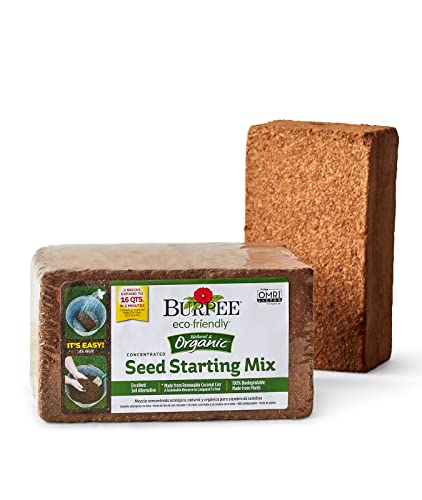
ORGANIC COCONUT COIR: Made from recycled coconut husks, coir is a light, sustainable growing medium that holds the perfect amount of moisture for starting seeds. 100% biodegradable soil alternative. Environmentally-friendly and a renewable alternative to peat moss. OMRI listed and certified organic.
How to Buy Coco Coir (Avoid Salt and Low Quality)
To buy quality coco coir and avoid salt and low-grade material, focus on its electrical conductivity (EC) level. Aim for an EC of 0.3 to 0.5 mS/cm, as this indicates low salinity and proper washing. Anything above 1.0 mS/cm suggests incomplete rinsing and high salt content, which can harm your plants. Always ask for batch-specific EC test results and verify that sodium and chloride levels are adequately reduced. Be suspicious of blocks with a white salt crust, as this signals excessive salt buildup. High salts can dehydrate roots and interfere with nutrient uptake, risking plant health. For optimal plant growth, pairing high-quality coco coir with reliable LED grow lights ensures consistent light intensity and spectrum support. If you plan to reuse this coco coir, similar to how perlite propagation methods can sustain plant cuttings, proper rinsing and buffering between cycles are essential to maintain root health. For verification, pH test strips help confirm that buffering adjustments remain within a safe range for plant roots.
Request a Certificate of Analysis that details buffering and washing procedures. Physically, poor-quality coir may be dusty, slow to expand after soaking, moldy, or carry sour odors. Choose suppliers who disclose the origin region and drying methods used, as these factors influence quality. Properly washed and buffered coir helps prevent pests by maintaining healthy roots; avoid vague marketing claims and prioritize transparency.

* MASSIVE EXPANSION RATIO: Highly compressed 5kg (11 lb) block expands to approximately 55 Liters of fresh, loose, ready-to-use coco coir substrate upon rapid hydration.

🌱 Premium Super Washed Coco Coir – Triple-washed, low-EC, pH-balanced coco coir with reduced salts. Ready to hydrate and use for seed starting, container gardening, and soil amendment applications.
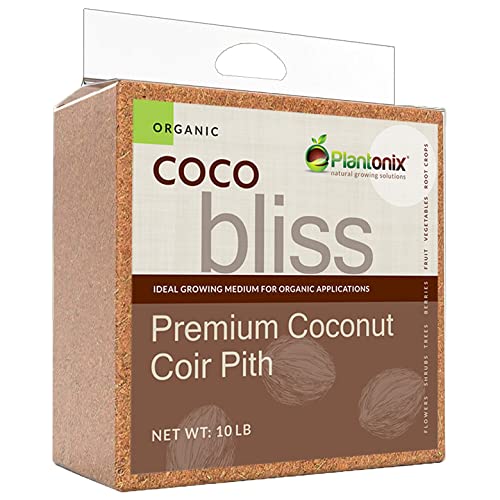
Pre-Rinsed & Pre-Screened Coco Coir - Every block of our coconut fiber substrate has been screened multiple times through an extremely small filter to get rid of any traces of fiber, sand, and rocks. This is what sets our coco coir apart, giving you pure and clean coco coir for plants, unlike others who don’t filter their coco coir for impurities.
How to Hydrate and Prepare Coco Coir (Step-by-Step Guide)
To hydrate and prepare dry coco coir bricks, start by placing the brick in a large tub or bucket—these provide enough space for expansion and ease of handling. Add warm water gradually, pouring slowly to prevent dry pockets and ensure even soaking. Let it sit for 10 to 30 minutes until fully softened. Once softened, break apart the fibers with your hands until the coir becomes fluffy and loose.
Next, address salt contamination by thoroughly rinsing the hydrated coir with clean water. Repeat the rinsing process until the runoff water runs clear or the electrical conductivity (EC) drops below 0.5 millisiemens per centimeter. Squeeze out excess water; the coir should be sponge-like and only release a few drops. If buffering is needed, soak the coir in a calcium-magnesium solution for 8 to 24 hours, then drain it well. Your coir is now properly hydrated, cleaned, and ready for planting.

A plant starter potting kit to help you germinate seeds with greater success and jumpstart your grow.

COMPLETE ALL-IN-ONE KIT: Includes a complete Cat Grass Kit with self-watering pot, Premium Cat Grass seed + soil, plus our Cat Grass Refill 3-Pack for three months of continuous fresh grass.

Seed starter: Before absorbing water and swelling, the thickness of the peat soil pellet is only 12MM, easy to store and carry. The seedling block is wrapped with a degradable mesh non-woven material, which is convenient for transportation and transplanting. When the seedlings are transplanted, they can be directly planted into the soil to improve the efficiency and success rate of transplanting
3 Common Mistakes to Watch Out For
Even though coco coir is an excellent growing medium, making common mistakes can harm your plants. First, never treat it like nutrient-rich soil. Coco coir is nearly inert, meaning it provides little to no nutrients on its own. Regularly add fertilizers, especially calcium and magnesium, to avoid deficiencies and stalled growth. Second, always monitor buffering and electrical conductivity (EC). Unbuffered coir can trap nutrients with excess sodium and potassium, leading to nutrient lockout. Check the runoff EC frequently to prevent hidden salt buildup and nutrient burn. Third, keep your pH within the range of 5.8 to 6.2. A pH that drifts outside this window can lock out essential nutrients like iron and phosphorus. Unlike perlite, coco coir has a high water-holding capacity that requires careful irrigation management. Additionally, avoid watering like traditional soil—overwatering suffocates roots, while underwatering causes salt concentration to spike. Lastly, although coco coir is pest-resistant, conditions must stay balanced. Ignoring these potential pitfalls can turn an otherwise reliable growing medium into a source of problems.