Struggling with soil that stays soggy or roots that seem to suffocate? Perlite can be your answer. These lightweight, volcanic glass granules improve soil aeration and drainage, giving your plants a healthier environment.
Whether you’re potting houseplants or succulents, knowing how to incorporate perlite can make a real difference in your growing success. The details are just below.
Why Your Plants Need Perlite (4 Big Reasons)
Adding perlite to your potting mix ensures better soil aeration, drainage, and root health. Perlite creates tiny air pockets in the soil, giving roots the oxygen they need to grow strong. This helps prevent waterlogged, compacted soil that can suffocate roots and lead to root rot. With improved drainage, you reduce the risk of excess moisture harming your plants. For an extra boost in recovery from transplant stress, you can combine perlite with root stimulators to encourage faster root development. Perlite also keeps your soil light and loose, making it easier for roots to spread out and establish themselves. Over time, its stable structure resists compaction, supporting long-term soil health. Regular pruning with sharp pruning shears helps manage the dense growth that perlite-enhanced soil encourages. As a result, you’ll see better nutrient uptake and more consistent moisture levels, making watering less of a guesswork game. In essence, perlite transforms heavy, soggy soil into an airy environment your plants will thrive in. Its naturally sterile composition provides a disease-free medium that helps prevent harmful pathogens from attacking young roots.

Perlite Soil Amendment for Plants - Granular perlite is a volcanic glass material that’s naturally sterile with a neutral pH level. When used as an organic soil amendment for plants, Perlite Bliss provides excellent soil aeration, drainage, and water retention, greatly improving nutrient absorption in indoor plants and outdoor plants.

[Enhanced Soil Aeration] - Perlite improves soil aeration, allowing roots to access oxygen more efficiently, which is crucial for healthy plant growth.

READY TO USE MIXTURE - The same formulation as used by professional growers
How to Pick the Right Perlite Grade for Your Plants
For most houseplants and vegetables, medium-grade perlite is the best choice. Its particle size typically ranges from 1 to 3 millimeters, providing a balanced mix of moisture retention and aeration. This size helps keep your soil evenly moist without suffocating roots, making it a versatile option for general use. Medium perlite works well in potting mixes because it promotes healthy root growth while preventing water from pooling around delicate roots. When selecting perlite for succulents, choosing the best perlite is crucial for ensuring proper drainage and preventing root rot in these drought-tolerant plants. For growers using intense lighting, pairing medium perlite with a 1000w LED grow light can further enhance root zone aeration and temperature control. When building a DIY aeroponic system, a parts list and build steps are essential for achieving a cheaper result with excellent root aeration.
When selecting medium-grade perlite, check the mesh size indicated on the bag. Many brands use different naming conventions, but focusing on particle size—around 1 to 3 mm—is the key. This size effectively supports a wide variety of plants, from leafy greens to flowering plants, by maintaining proper drainage and oxygen flow. Use medium perlite when you want a reliable, all-around additive that keeps your soil light, well-drained, and moist enough for most plants’ needs.

Includes: 1 Bag Medium Perlite 4 cu ft bag

8qt bag of Premium Horticultural Grade Perlite to promote root growth, soil aeration & drainage
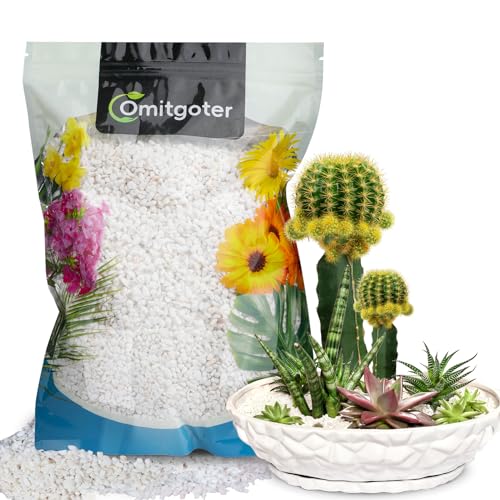
✅【Horticultural Grade】All-natural, no additives or chemicals, pH neutral, and resistant to rotting or shrinking.
Perlite Mixing Ratios for Potting Soil and Raised Beds
Use 10 to 20 percent perlite by volume for general houseplants. This translates to a ratio of about 1 part perlite to 4 parts soil. For plants prone to root rot, increase that ratio to a 1:1 blend to improve drainage. In raised bed gardening, aim for 10 to 30 percent perlite, starting conservatively at around 10 percent or 1 part perlite to 3 or 4 parts soil. If working with heavy clay soil, layer approximately 2 inches of perlite for every 6 to 12 inches of soil depth. An air stone can improve oxygen levels in hydroponic systems, but for soil-based mixes, perlite’s physical aeration is more effective. When combining perlite with coco coir, it is essential to hydrate the coir bricks thoroughly before mixing to ensure even distribution of the perlite.
For succulents and other drought-tolerant plants, higher ratios—around 40 to 50 percent—are beneficial to promote quick drainage. Conversely, moisture-loving plants require lower perlite content to retain water. Avoid adding excessive perlite because too much can accelerate water loss and leach nutrients out of the soil. For testing water quality alongside your soil mix, consider using a reliable pH meter to ensure optimal growing conditions. There is no need to cure perlite before mixing, but testing small batches helps determine the best ratio based on your watering habits and specific crop needs.

Organic Perlite Soil Conditioner: 120-quart organic perlite provides a clean, sterile, pH-neutral mineral medium for soil conditioning, supporting improved drainage and aeration

Package Includes: You will get 4 quarts of coarse perlite, these are evenly sized and perfect for adding to potting soil for potted plants or as pavement for succulents to keep your plants looking nice and clean, it is essential for precise cactus mixes or carnivorous plant soils as it pulls water away efficiently

✅ BEST GROWING MEDIUM for Plants Grown in Containers — Mix With Potting Mix For Best Results
How to Mix Perlite Into Soil the Right Way
To mix perlite into soil effectively, start by deciding whether your blend is for containers, raised beds, or existing garden soil, as each setting requires a slightly different approach. Use a large tub or wheelbarrow to combine your materials. Lightly moisten the perlite beforehand to reduce dust and make mixing easier. Add your base soil first, then fold in the perlite until the mixture has a uniform speckled appearance. It’s important to integrate the perlite thoroughly rather than layering it on top, ensuring it reaches the root zone for optimal aeration and drainage. This allows for the same improved air circulation that clay pebbles provide in hydroponic systems. Aim for a light, crumbly texture that holds together slightly when squeezed but remains loose enough to promote healthy root growth. This mixture improves water drainage and air circulation around your plants. It will not impact your soil’s pH, making it suitable for most plants. To check water retention, take a small sample and pour water through it—water should drain quickly without pooling or standing. Once your soil is properly mixed, fill your pots or garden beds, leaving some space at the top for watering. Gently tap the sides of containers to settle the soil, then water thoroughly to help the soil settle around the roots. For best results with coco coir-based mixes, be sure to pre-treat the coir by buffering it with calcium to prevent nutrient lockout. For growers seeking even better moisture control, zeolite can be a superior alternative because of its high cation-exchange capacity for holding onto nutrients and water.

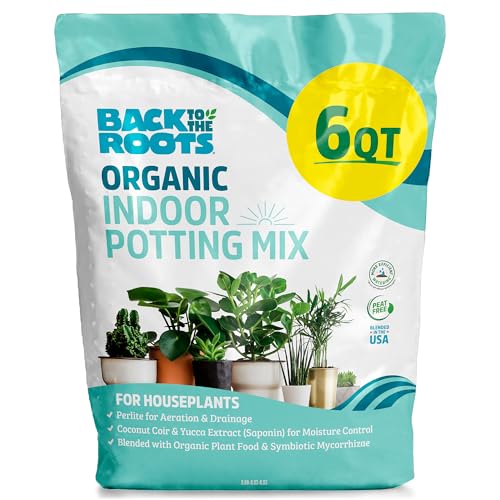
Includes 6qt of Back to the Roots Indoor Potting Mix. Our Potting Mix contains organic yucca extract that aids in retaining moisture in the soil which keeps your indoor plants happy and healthy

Improved Soil Aeration And Drainage: Perlite helps potting soil to retain moisture and nutrients while preventing root compaction, promoting healthy roots and great for soil. It adds porosity to soil potting mix and soilless mixes, making it ideal for indoor gardening
Common Mistakes to Avoid When Using Perlite
Using perlite incorrectly can undermine your gardening efforts. First, avoid using it as a standalone medium because it lacks water retention and essential nutrients, which can cause roots to dry out quickly. Keep the proportion of perlite below 40 percent in your soil mix; higher amounts risk dehydration and plant stress. Always ensure your containers have proper drainage holes; adding perlite won’t compensate for poor drainage and can lead to waterlogging. To reduce dust and prevent respiratory irritation, pre-moisten dry perlite before handling. Choosing the correct grade is also crucial—construction-grade perlite is too coarse and unstable for soil applications, whereas horticultural grades provide better stability and consistent particle size. Additionally, for species that thrive in airy media, such as Monstera, using a coco coir blend can further enhance root health. Lastly, do not rely on top-dressing with perlite solely for root aeration; it mainly improves the soil’s surface appearance without significantly benefiting root health. Mix perlite evenly into the soil to avoid clumping, which can create uneven moisture distribution. For precise control over soil moisture and nutrient delivery, consider using a pH controller alongside your perlite mix. Fans used in growing setups also require the correct selection for long-term performance and efficiency to avoid unnecessary costs. Following these guidelines helps ensure you maximize perlite’s benefits for healthy plant growth.