Choosing between perlite and vermiculite can feel overwhelming when you’re trying to get your soil just right.
The main difference is how they handle water: perlite drains excess moisture, while vermiculite retains it.
Your choice can influence plant health, soil weight, and pH, so picking the right one makes a difference.
Keep reading to find out which material suits your plants best.
Perlite vs Vermiculite: What’s the Real Difference?
Perlite offers unmatched durability and structural stability, making it ideal for long-term soil health. Its porous, rigid particles create lasting air channels that prevent soil compaction, ensuring your plants have consistent access to oxygen. Unlike vermiculite, which softens and breaks down over time, perlite remains stable indefinitely, meaning you won’t need to replace it frequently. It’s purely a physical amendment, focusing on improving aeration and drainage without any nutrient-binding qualities. While perlite focuses on physical structure, its longevity means fewer replacement costs over time, similar to how high-efficiency fans often carry a higher upfront price but deliver long-term savings through reduced energy use and extended lifespan. To keep perlite’s aeration benefits intact over the years, you should regularly remove debris and plant matter from your shears and tools to prevent cross-contamination in the soil. In contrast, zeolite offers the additional benefit of ammonium adsorption, which can help retain and slowly release nitrogen in the root zone.
Vermiculite, in contrast, is a softer layered mineral that can hold nutrients and water, providing temporary nutrient buffering in your soil. However, it lacks the structural rigidity of perlite, so it tends to compress and degrade over time. This means you’ll need to replenish vermiculite more often to maintain its benefits. Overall, if your goal is long-lasting soil aeration and structure, perlite is the better choice. If you require a nutrient-holding component that can be replaced or replenished regularly, vermiculite may suit your needs better.
How Perlite and Vermiculite Handle Water and Drying
Perlite and vermiculite handle water and drying very differently. Perlite primarily holds moisture on its surface rather than inside, allowing water to drain quickly and improving soil aeration. Vermiculite, by contrast, acts like a sponge: it absorbs water into its layered structure and releases it slowly over time. This means vermiculite retains moisture longer, keeping your soil damp for several days. Perlite accelerates drying, making it suitable if you worry about waterlogging or want quick drainage. Vermiculite slows drying, which is helpful when your soil tends to dry out too fast. Additionally, vermiculite has a greater capacity for nutrient retention, holding onto dissolved nutrients and releasing them gradually. Perlite, on the other hand, offers minimal nutrient retention and mainly retains water on its surface. If rapid drainage and quick drying are priorities, choose perlite. For steady moisture and nutrient release, vermiculite is the better option. To ensure perlite remains free of pathogens, sterilization techniques can be applied to the volcanic glass before use. The manufacturing process of perlite involves crushing and heating volcanic glass to create its porous surface structure. Using a proper pasteurization process on coco coir can similarly eliminate harmful microorganisms without affecting its beneficial properties.
When to Use Perlite vs Vermiculite for Your Plants
Vermiculite is ideal for seed starting and rooting cuttings because it retains moisture well, keeping the root zone consistently damp. This consistent moisture is essential for successful germination and early growth. It also helps prevent waterlogging, which can damage delicate roots. A similar approach can be taken by using peat pellets for seed starting, as they also provide consistent moisture and a compact growing medium. Vermiculite’s ability to hold water makes it suitable for tropical plants like Calathea that require even, moderate moisture without becoming waterlogged. For optimal results in a controlled environment, consider using a humidifier to maintain consistent humidity levels alongside vermiculite’s moisture retention. When pruning moisture-loving plants, using pruning shears designed for palm trees can help maintain plant health by making clean cuts that reduce water loss and disease entry points.
Perlite, on the other hand, excels at providing drainage and aeration. It’s best used when soil is heavy, compacted, or when you are growing plants that prefer well-drained conditions. Perlite prevents excess moisture from accumulating around roots, reducing the risk of fungal infections and pests linked to overly wet soil. While neither amendment supplies nutrients directly, vermiculite’s moisture retention can help soluble fertilizers stay available longer, supporting healthy plant growth.
Match the amendment to your plant’s watering needs: use vermiculite for moisture-loving or germination-focused plants, and perlite for those that thrive with excellent drainage and aeration.

Fine 1–3mm For Seed Starting: Fine vermiculite blends easily into seed starting mix and seed starting soil, helping maintain consistent moisture around seeds and delicate roots for germination, seedlings, propagation, and early plant growth

Premium Ingredients: Contains 80-90% fine Canadian sphagnum peat moss, complemented by top-quality fine horticultural perlite and vermiculite. Enhanced with calcitic and dolomitic limestone to stabilize pH and a wetting agent for uniform water distribution.

100% Natural Soil Amendment for Plants - Plantonix Vermiculite Bliss is a natural soil amendment that traps nutrients in the soil, before gradually releasing them into plant roots as needed. Over time, vermiculite drastically improves nutrient retention and availability, leading to higher nutrient uptake and optimizing soil conditions for increased plant vigor.
Succulents and Cacti: Why Perlite Wins Every Time
Perlite is the best choice because it provides exceptional drainage that succulents and cacti need to thrive. Its large pore spaces allow excess water to escape quickly, preventing root rot and promoting healthy growth. Unlike vermiculite, which retains moisture like a sponge, perlite holds almost no water, making it ideal for arid plants. It also resists compaction, keeping the soil loose and aerated over time. For optimal results, blend between 30% and 50% perlite into your potting mix, increasing the amount in humid climates. This precise moisture management ensures your desert plants receive the quick drainage they crave, reducing the risk of overwatering and associated problems. For comparison, rockwool cubes are also a popular inert medium in hydroponics that provide excellent drainage and aeration. If you need precise water quality checks for your plants, using a reliable pH meter ensures you can monitor acidity levels for optimal growth. Among the top options reviewed, coarse horticultural perlite offers the best balance of porosity and durability for succulent roots.

Package Includes: You will get 4 quarts of coarse perlite, these are evenly sized and perfect for adding to potting soil for potted plants or as pavement for succulents to keep your plants looking nice and clean, it is essential for precise cactus mixes or carnivorous plant soils as it pulls water away efficiently

Package Includes: You will get 2 quarts of coarse perlite, these are evenly sized and perfect for adding to potting soil for 6-10 small or 5-6 medium plants or as pavement for succulents to keep your plants looking nice and clean, it is essential for precise cactus mixes or carnivorous plant soils as it pulls water away efficiently

Organic Perlite Soil Conditioner: 120-quart organic perlite provides a clean, sterile, pH-neutral mineral medium for soil conditioning, supporting improved drainage and aeration
Seed Starting and Cuttings: Perlite vs Vermiculite Showdown
Vermiculite is generally preferred for seed starting because of its excellent moisture retention. It keeps seeds evenly damp, which promotes consistent germination. Additionally, vermiculite can hold onto fertilizers, providing nutrients directly to tender seedlings. Its lightweight, sponge-like structure makes it easy to work with and ideal for delicate seedlings that need steady moisture. For potting soil, adding the right amount of perlite ensures proper drainage and prevents soil compaction. For a cheaper result, you can substitute a DIY grow tent for an expensive humidity dome. To ensure your measurements are accurate, you can use the salt test to verify your hygrometer’s readings before adjusting your setup.
Perlite often works better for cuttings, especially those prone to rot, such as cacti and succulents. Its sharp drainage and high aeration reduce the risk of soggy roots and rot. Applying rooting hormones onto perlite is straightforward since it doesn’t absorb moisture quickly, keeping the hormone in place and accessible to the cutting. For cuttings that prefer a moist environment, a mix of one part vermiculite and one part perlite offers a balanced combination of water retention and airflow. Remember to pre-moisten the medium, create a little hole for your cutting, and keep humidity high with proper ventilation to encourage healthy root development.

NUTRIENT-RICH, NATURAL, AND ORGANIC SOIL: Grow a bountiful garden in your home with the Back to the Roots All-Purpose Natural and Organic Peat-Free 3-in-1 Seed Starting Mix, packed with the nutrients needed for your plants, flowers, and vegetables to thrive

🏺 PERFECT FOR POTTED PLANTS — Indoors and Outdoors, Containers Without Drain Holes

Improves Root Development: Promotes faster root growth and strong anchorage in seedlings when mixed with soil, peat, composted bark, or nutrient-rich potting media blends
Can You Combine Perlite and Vermiculite in One Mix?
Yes, combining perlite and vermiculite in one mix is entirely possible and often beneficial. Using both materials together creates a balanced growing medium that offers moderate drainage alongside good moisture retention. This combination is ideal for general houseplants, seed starting, and container gardening. A common approach is to use a 1:1 ratio, which creates an all-purpose blend suitable for most plants. Perlite and vermiculite together can also help buffer temperature fluctuations in the root zone. For precise cutting tasks like trimming lavender, selecting quality pruning shears ensures clean cuts that prevent damage to plant stems. Using an air stone in a hydroponic setup can improve oxygenation for plants grown in this combined mix.
When mixing, always combine dry ingredients by volume, as perlite is significantly lighter than vermiculite. Pre-wetting the blend helps prevent floating particles when watering or transplanting. Fill pots loosely with this mixture to ensure proper aeration around the roots. Adjust ratios based on plant needs; for example, succulents benefit from a higher percentage of perlite, which improves drainage.
Be cautious not to use too much vermiculite, as it retains water excessively and can lead to root rot. For raised beds, incorporate a small percentage of this mix to improve soil structure without overly increasing moisture retention. Overall, blending perlite and vermiculite provides a forgiving, adaptable medium that mediates the extremes of each material, promoting healthy root growth and preventing common issues like fungal gnats and overwatering.
How pH and Weight Affect Your Perlite vs Vermiculite Choice
pH and weight are crucial factors in choosing between perlite and vermiculite because they influence your plant’s environment and the practicality of your containers. Perlite remains neutral with a pH around 7.0 to 7.5, which helps prevent unexpected pH shifts in sensitive soil mixes. Vermiculite, on the other hand, can vary significantly from 6.0 to 9.5, making it more likely to alter soil pH unpredictably. For flowers needing a targeted nutrient boost, bloom booster reviews can help identify the right formula to complement your soil amendment. Root stimulators work by promoting early root growth and can be a helpful addition when establishing plants in these amended mixes.
In terms of weight, perlite is lightweight at about 5 to 8 pounds per cubic foot, making it ideal for hanging baskets and container setups where every pound counts. Vermiculite tends to add more weight, up to 10 pounds per cubic foot, but offers superior moisture and nutrient retention.
If aeration and a dry, light soil are your priorities, perlite’s low water-holding capacity makes it the better choice. Choose vermiculite only if you can accept its heavier weight and potential for pH fluctuations, which can impact plant health if not monitored carefully.
Perlite vs Vermiculite: The Final Cheat Sheet for Buying
When choosing between perlite and vermiculite, it ultimately depends on your plant’s specific watering and drainage needs. If you’re growing cacti, succulents, or plants prone to root rot, opt for perlite. It provides quick drainage and excellent aeration, helping prevent soggy soil where rot can develop. Perlite is bright white and coarse, usually in 3-6mm grades, which work well for long-term soil structure.
Vermiculite, on the other hand, is ideal for seedlings, cuttings, or moisture-loving plants. It retains 3 to 4 times its dry weight in water, keeping soil consistently moist without waterlogging. The golden-brown color of vermiculite indicates quality, and its finer texture makes it suitable for delicate seedlings. When mixing these substrates, lean towards perlite if you want to prevent soil from staying soggy, especially for tropical plants. Always check for organic certifications on the bag to ensure it’s clean and horticultural grade.

8qt bag of Premium Horticultural Grade Perlite to promote root growth, soil aeration & drainage

Professional grade horticultural perlite

Professional Grade horticultural Perlite ,excellent soil conditioner.Suitable for many uses around the home and garden.
Quick Recap: Which One Should You Buy?
The right choice depends on your plant’s needs. Use perlite for drainage and aeration, especially for plants like succulents and cacti that dislike soggy roots. It helps prevent soil compaction in containers, ensuring roots get enough oxygen. On the other hand, opt for vermiculite when you need moisture retention, such as with seedlings or moisture-loving houseplants. It has a sponge-like capacity to hold water and nutrients, making it ideal for plants that dry out quickly. Both are organic amendments, so they’re safe for your soil. If you’re starting seeds, vermiculite’s consistent moisture helps them sprout reliably. For propagation or airflow-sensitive plants, perlite is preferable. Sometimes, mixing both gives the best results, balancing water retention with drainage. Ultimately, choose perlite for plants that prefer dry conditions and vermiculite for those that thrive with more moisture.

[Enhanced Soil Aeration] - Perlite improves soil aeration, allowing roots to access oxygen more efficiently, which is crucial for healthy plant growth.

✅ BEST GROWING MEDIUM for Plants Grown in Containers — Mix With Potting Mix For Best Results
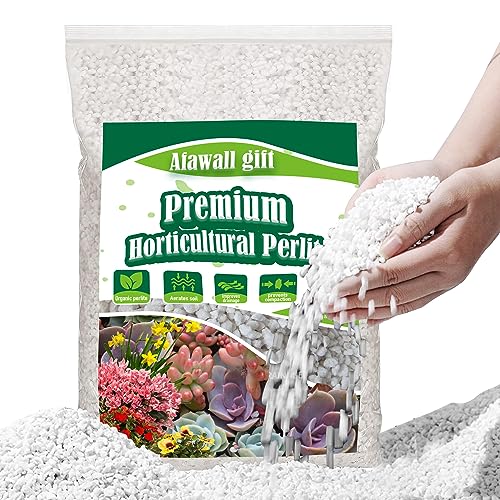
2QT 100% natural and screened perlite for organic use, Professional grade horticultural perlite bulk, excellent soil conditioner. Suitable for many uses around the home and garden.