Wondering how much perlite to mix into your potting soil? The right ratio depends on what you’re growing and its watering needs.
For most houseplants, about 20–30 percent perlite works well.
While succulents and cacti may need up to half of the mix.
Keep reading to find the perfect balance for your plants.
Start With a 20–30% Perlite Mix for Most Houseplants
Start with a 20–30% perlite mix for most houseplants. This range provides a practical balance that enhances drainage without drying out the soil too quickly. Typically, you want about 1 part perlite to 3–4 parts potting mix, which is roughly 25% perlite by volume. This ratio allows roots access to oxygen while maintaining enough moisture between waterings. It effectively handles dense, waterlogged soil, reducing the risk of root rot without making the soil drain so fast that you’re constantly watering. This mix works well for tropical plants like Monstera, pothos, or philodendron. For succulents, which require even faster drainage, the best option is to use coarse-grade perlite to prevent compaction and ensure proper aeration. For measurement, a simple ratio like 3 cups of potting mix to 1 cup of perlite is ideal. If your pot dries out rapidly, lean toward the 20% side; if it stays soggy, increase toward 30%, but always start here. To maintain this balance over time, you’ll also need sharp precision tools for routine upkeep, much like selecting the right equipment for precise cuts. Using a root stimulator can further help new root development on freshly planted trees.

INDOOR GROWING: Growing indoors is easy under the right conditions; Miracle-Gro Houseplant Potting Mix is an indoor plant potting soil that combines key elements container plants need to thrive
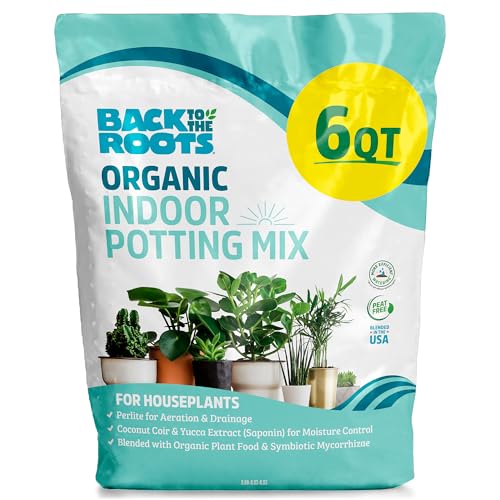
Includes 6qt of Back to the Roots Indoor Potting Mix. Our Potting Mix contains organic yucca extract that aids in retaining moisture in the soil which keeps your indoor plants happy and healthy

8qt bag of Premium Horticultural Grade Perlite to promote root growth, soil aeration & drainage
The Simple 10–20% Ratio for a Light Drainage Boost
If the 20–30% range feels too much for your setup, you can scale back to a lighter 10–20% perlite mix. This ratio provides a modest drainage boost without drastically changing your soil’s overall structure. It enhances soil aeration while maintaining the moisture control necessary for most container plants. For a 10-quart batch, use about 1 to 2 quarts of perlite. The finished mix will feel lighter and springier, but it won’t dry out quickly. This approach works best when your potting soil already retains plenty of moisture with ingredients like peat or coco coir. You’ll achieve better root airflow and drainage, while still keeping enough water retention to reduce frequent watering needs. For cannabis specifically, hydroponic nutrients require careful calibration to avoid imbalances in a perlite-heavy mix. To ensure safety during handling, remember that respirable dust from dry perlite can be a minor irritant, so wearing a mask is recommended when mixing. For optimal water quality testing, an accurate pH meter can help you monitor the acidity of your irrigation water to ensure it matches your soil’s needs. Measure by volume, mix thoroughly, and you’ll create a balanced, breathable blend suitable for your everyday pots.

Package Includes: You will get 4 quarts of coarse perlite, these are evenly sized and perfect for adding to potting soil for potted plants or as pavement for succulents to keep your plants looking nice and clean, it is essential for precise cactus mixes or carnivorous plant soils as it pulls water away efficiently

[Enhanced Soil Aeration] - Perlite improves soil aeration, allowing roots to access oxygen more efficiently, which is crucial for healthy plant growth.

✅ BEST GROWING MEDIUM for Plants Grown in Containers — Mix With Potting Mix For Best Results
Use 25–33% Perlite for Seedlings and Cuttings
Using 25 to 33 percent perlite in your seedling or cutting mix provides the optimal amount of aeration. This range allows for extra airflow around roots, which is crucial for young plants. It helps prevent waterlogging that can lead to damping-off disease while still maintaining enough moisture for healthy root growth. A similar balance of aeration is also critical for mature plants like fiddle leaf figs, which thrive when provided with proper LED lighting to support photosynthesis. For accurate measurement of light intensity, a grower can use a reliable PAR meter to ensure light levels match the plant’s needs. Using a moisture meter is another effective way to monitor soil conditions and prevent overwatering.
Pairing this level of perlite with peat or coir creates a balanced, well-draining rooting medium. The mix remains compatible with fertilizers, reducing the risk of nutrient buildup that could harm tender roots. Additionally, adding this much perlite enhances drainage, slowing soil aging and preventing compaction or degradation during the first few weeks.
For seedlings, aim closer to 25 percent perlite to keep the mix evenly moist. For cuttings, lean toward 33 percent to maximize airflow around stems. Always water thoroughly after mixing and avoid pressing the medium too tightly around new roots to ensure proper growth conditions.

🌿 REVOLUTIONARY BLEND: Gardenera's cutting-edge Perlite (50%) and Vermiculite (50%) Mix combines the power of nature to elevate your gardening game to new heights.
🌱 Premium Blend: Gardenera's Perlite and Vermiculite Blend is a meticulously crafted mix, combining the benefits of perlite and vermiculite in a perfect ratio to optimize plant growth.

Premium Ingredients: Contains 80-90% fine Canadian sphagnum peat moss, complemented by top-quality fine horticultural perlite and vermiculite. Enhanced with calcitic and dolomitic limestone to stabilize pH and a wetting agent for uniform water distribution.
Go Up to 40–50% Perlite for Succulents and Cacti
Using 40 to 50 percent perlite is ideal for succulents and cacti. This high perlite content ensures excellent moisture drainage and airflow around roots, which these plants need to thrive in fast-drying soil. With indoor environments often having less airflow, increasing perlite reduces the risk of rot. For desert cacti or moisture-sensitive succulents, aim for equal parts potting mix and perlite at 40%. If your home is more humid or your containers tend to stay wet, go up to 50% perlite. This ratio prevents soil compaction and allows quicker drying time between waterings, helping mimic their natural arid habitat. For healthy plants, using a sharp bypass pruner to trim dead roots before repotting can further prevent decay. Unlike with LECA or lava rock, perlite is lighter and more affordable for achieving this rapid drainage. To avoid overly wet soil, consider building a DIY soil blocker to create well-aerated blocks that improve root health. Remember to combine this mix with a well-draining potting soil and ensure your pots have drainage holes, since perlite enhances structure but cannot replace proper drainage.

Includes 6qt of Back to the Roots Succulent & Cacti Mix Potting Soil. Carefully crafted with succulents and cacti in mind, this specialized blend provides the perfect nutrient balance for optimal growth
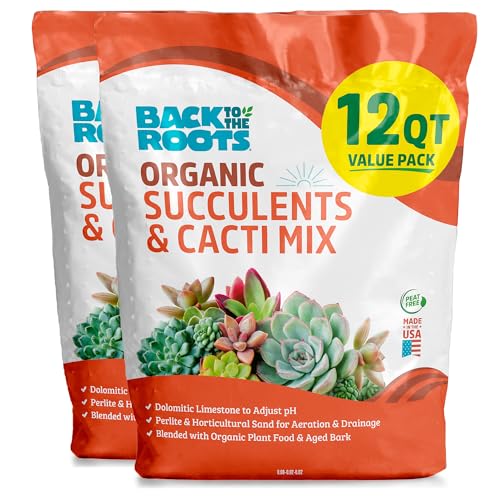
Includes 12qt of Back to the Roots Succulent & Cacti Mix Potting Soil. Carefully crafted with succulents and cacti in mind, this specialized blend provides the perfect nutrient balance for optimal growth
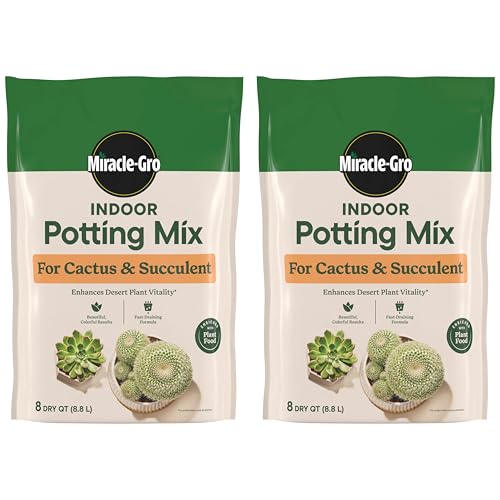
Miracle-Gro Indoor Potting Mix for Cactus and Succulent is enriched with Miracle-Gro Plant Food and enhances desert plant vitality (vs unfed plants when used as directed)
How Too Much or Too Little Perlite Affects Root Health
Getting the perlite ratio right for succulents and cacti is essential, but overshooting or undershooting that 40–50% range can harm root health. Too little perlite causes soil compaction, collapsing pore space. This limits oxygen availability, starving roots and slowing growth. The soil can become soggy and heavy, remaining wet for days, which promotes rot and causes foul odors. You may notice yellowing leaves and drooping despite the soil feeling moist. Ensuring your hygrometer reads accurately helps prevent these moisture-related issues, since proper calibration confirms the soil is as dry as you think. When selecting ventilation equipment for a grow tent, it is important to consider intake fan cost versus longevity to avoid unexpected failures that disrupt stable environmental conditions.
On the other hand, too much perlite leads to excessive aeration. Mixes with high perlite content drain instantly, leaving roots without enough moisture to absorb. As a result, plants wilt shortly after watering and develop crispy leaf edges, signs of chronic drought stress. Nutrients also wash away quickly, making your plants hungry for food and nutrients. This often forces you to water more frequently, but roots cycle between moist and dry states without settling into steady growth. In contrast, peat moss retains moisture more effectively but can compress over time, unlike the stable structure of perlite. Striking the right balance prevents both issues, maintaining roots with appropriate moisture and oxygen levels.
Measure Perlite by Volume in Pots and Buckets
Measuring perlite by volume rather than weight is essential because of its low density and variability. A cup of perlite weighs much less than a cup of soil, making weight measurements unreliable for consistent mixes. Using volume allows you to add perlite for its structural benefits without over- or under-diluting the mix. For a 1-gallon pot, mix three quarts of soil with one quart of perlite, which is 25 percent by volume. In a 5-gallon bucket, use between one to one and a half gallons, or eight to twelve quarts, of perlite. Always use the same container for both soil and perlite, scooping each to level without packing. This method helps maintain stable soil pH levels, as you’re not adding excessive volume, and preserves fertilizer effectiveness by keeping nutrient retention predictable. For orchids, which require high light penetration to the root zone, similar volume-based mixing ensures proper aeration and drainage. Adjust ratios based on your needs: use a 1:4 ratio for light aeration or a 1:2 ratio for improved drainage. When mixing, focus on total finished volume, not just soil volume, to ensure your ratios stay accurate. For indoor growers using hydroponic systems, maintaining nutrient retention predictability is critical for plant health and growth.

PREMIUM SPHAGNUM PEAT MOSS: Contains high-quality Canadian sphagnum peat moss for excellent moisture retention and aeration in potting soil mixes. Ideal for healthy root development.

PREMIUM HORTICULTURAL PERLITE: Ideal for organic perlite gardening, this volcanic rock improves soil aeration and drainage for healthy root growth in all plant types.

Coarse Perlite for Growing Media: Large-grade horticultural perlite designed for potting soil, seed starting, plant propagation, organic gardening, and custom soil mixes for indoor or outdoor use.
Match the Ratio to Your Watering Habits and Plant Type
The optimal perlite ratio depends on your watering schedule and plant type. For frequent watering, use up to 50% perlite in your soil mixture. This high ratio ensures rapid drainage, preventing soggy roots that can result from less efficient water removal. Conversely, for infrequent watering, a lower perlite content of around 10–20% helps the soil retain moisture longer between waterings. Unlike its similar-sounding counterpart, pearlite is a metallic microstructure found in steel, not a soil amendment. If you are unsure whether your perlite is genuine, its white, lightweight, porous appearance is a clear visual indicator it is not a metallic microstructure.
Match the perlite ratio to your plant’s moisture needs. Succulents and cacti thrive with 50–70% perlite, which offers excellent drainage suited to their drought-tolerant nature. Tropical houseplants like philodendrons prefer about 25% perlite, balancing aeration with moisture retention. Moisture-loving plants such as ferns are best with only 10–20% perlite to keep the soil damp but well-aerated. Orchids and cuttings do well with a 20–30% perlite mix, providing enough airflow around roots. Adjust your watering frequency accordingly—more perlite means less frequent watering but more thorough, deeper watering sessions. For a similar approach to drainage, you might consider using coco chips as an alternative organic amendment.
Quick Reference: Ratios for Every Situation
For most houseplants, use a perlite-to-soil ratio of 1:3 or 1:4. This ratio slightly improves drainage without compromising nutrient retention, helping your plants stay healthy. For succulents and cacti, increase the perlite content to 40–50 percent or achieve a 1:1 ratio for maximum drainage. This prevents excess moisture from causing root rot and mimics their natural arid environment.
Seed-starting mixes work best with equal parts perlite and peat moss. This blend boosts aeration around delicate roots, encouraging healthy development. For general container growing, aim for a mixture with 25 to 30 percent perlite by volume. This provides a balanced environment where moisture and air coexist, supporting overall plant growth.
If you need ultra-fast drainage, use a 1:1 ratio of perlite to soil. Keep in mind that increasing perlite reduces water retention but creates more air pockets. Adjust these ratios based on your plant’s specific needs to prevent root rot and promote vigorous growth.