Ever wonder if perlite can be truly considered organic? The straight answer is no, because it’s an inorganic volcanic glass with no carbon.
But if you spot an “organic” label on the bag, it’s not about chemistry—it’s a certification that the product meets organic farming standards.
Keep reading to see what that really means.
What Exactly Is Perlite?
Perlite is produced by heating volcanic rock that contains 2% to 5% trapped water. Once mined, the rock is crushed into smaller pieces and then exposed to rapid heating at very high temperatures. This process causes the water within the rock to vaporize quickly, leading the material to expand into a lightweight, porous form that can increase in volume several times. After expansion, the material is crushed and sorted by size to meet various application needs. The final product is an inert and durable mineral that enhances aeration and drainage when mixed into horticultural soils. The raw volcanic rock is first crushed into smaller pieces before being subjected to rapid heating. Growers must also monitor humidity pack longevity to ensure proper moisture regulation in sealed containers. When selecting perlite for succulents, the best perlite options are reviewed to help buyers find the right fit for optimal drainage.
Is Perlite Organic in the Scientific Sense?
Perlite is not considered organic in the scientific sense. In chemistry, “organic” refers to compounds built around carbon-hydrogen bonds, such as plants, animals, and other biological materials. Perlite is a volcanic glass composed mainly of silica and mineral oxides, with no carbon content. It’s a mineral silicate, not a carbon-based substance, and contains no living or once-living biological material. The USDA classifies it as a nonagricultural, inorganic substance. Although it may appear on organic gardening regulatory lists, that designation is a legal or regulatory label rather than a reflection of its chemical composition. This distinction matters because, unlike perlite, tomato plants require a complex set of essential mineral nutrients that are delivered through carbon-based and inorganic compounds alike. For example, these top micronutrients often include boron and zinc, which are critical for healthy plant growth. Scientifically, perlite does not meet the criteria for being organic, as its composition lacks the carbon structure fundamental to organic compounds. To ensure it remains free of pathogens in growing applications, growers can use sterilizing perlite effectively through heat or chemical methods.
If Perlite Isn’t Scientifically Organic, Why Do Bags Say It Is?
Even though perlite isn’t scientifically classified as organic, bags often label it as “organic” because that term in gardening refers to its approval for use in organic production, not its chemical makeup. When you see “organic” on the bag, it’s serving as marketing shorthand. This label indicates that the perlite is OMRI-listed, meaning it complies with organic farming regulations. It doesn’t mean the mineral is a carbon-based or biologically derived material. Retailers often combine consumer-friendly language with regulatory claims, so “organic” remains on the packaging even for a mined mineral. The key message: this perlite is approved for use in organic gardening systems, not that its chemical composition has magically transformed into a biological product. You’re essentially looking at a product reviewed for its permissible use in organic practices, not one that is scientifically considered organic.

100% NATURAL PRODUCT - Perlite is a naturally occurring, volcanic rock. When furnaced at high temperatures, Perlite "pops" and expands 7 to 15 times its original volume. The resulting lightweight particles are made up of microscopic spheres with a porous, broken surface that promotes plant growth. This allows aeration and drainage of the root system and provides holding capacity for water and nutrients.
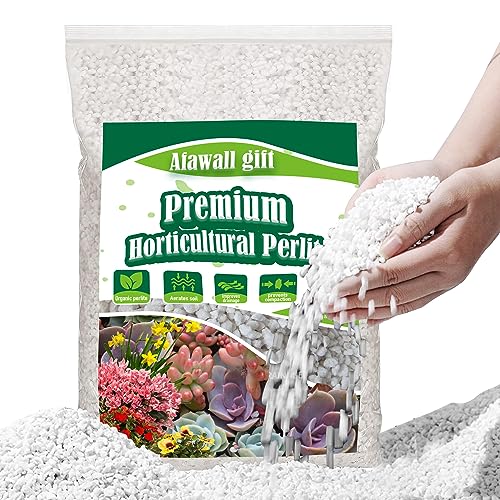
2QT 100% natural and screened perlite for organic use, Professional grade horticultural perlite bulk, excellent soil conditioner. Suitable for many uses around the home and garden.

Fine 1–3mm For Seed Starting: Fine vermiculite blends easily into seed starting mix and seed starting soil, helping maintain consistent moisture around seeds and delicate roots for germination, seedlings, propagation, and early plant growth
Why Is Perlite Allowed in Certified Organic Gardening?
Perlite is allowed in certified organic gardening because it is classified as a nonsynthetic, inert mineral. The USDA National List includes it specifically because regulators consider it a natural, nonagricultural input that does not function as a synthetic nutrient source. Its approval ensures it can be used in organic systems to improve aeration and drainage without violating organic standards. Since it is mined and minimally processed, perlite aligns with organic farming practices, as long as it does not contain prohibited additives or coatings. For growers seeking accurate testing of water quality used with perlite, reliable equipment ensures consistent results. OMRI-listed perlite products are verified to lack any substances disqualifying them from organic use. When you see “organic” on perlite, it indicates regulatory compliance rather than the material’s origin, allowing it to serve as a safe, inert amendment in organic gardening. This approach mirrors how variable speed controllers maintain optimal comfort by precisely managing airflow without unnecessary additives or synthetic inputs. For cost-conscious growers, reusing perlite is a practical option when properly cleaned and sterilized between uses.

ADVANCED HIGH-POROSITY FORMULA – Engineered blend of sphagnum peat moss, coconut coir, and perlite delivers superior aeration, drainage, and moisture balance to promote stronger root development and healthier plants.

ADVANCED HIGH-POROSITY FORMULA – Engineered blend of sphagnum peat moss, coconut coir, and perlite delivers superior aeration, drainage, and moisture balance to promote stronger root development and healthier plants.

ALL-PURPOSE GROWING MEDIA – High-porosity growing substrate designed for a wide range of plants and growing styles, from indoor containers to outdoor gardens and greenhouse growing.
Are “Natural” and “Organic” Perlite the Same Thing?
“Natural” and “organic” perlite are not the same thing. “Natural” refers to the source—the material is mined from volcanic glass. In contrast, “organic” is a marketing term that indicates the product is approved for organic gardening, not that the perlite itself is organic matter. Chemically, perlite is inorganic because it is a mineral with no carbon content. Calling it “organic” does not mean it contains or is made from organic materials; it simply means it meets certain certification standards for organic gardening practices. For example, Espoma Organic Perlite is registered as an Organic Input Material, meeting requirements for organic production. Understanding this distinction helps avoid misconceptions, as the terms are often used interchangeably in stores, but they represent very different concepts.
How to Verify a Perlite Product Is Truly Organic-Approved
To verify a perlite product is truly organic-approved, start by checking for an OMRI listing—not just the word “organic” on the bag. Search for the exact product name, company name, and product code in the OMRI database to confirm approval. Remember, being OMRI listed indicates suitability for organic production, but it does not mean the perlite itself is a certified organic farm product.
Ensure the listing includes the correct use category, such as Soil Purification or Mineral Additive, and verify that the product label matches the restrictions outlined in the OMRI certificate. Also, check the expiration date on the listing; if it is expired, treat the product as unverified. Taking this steps before purchasing helps guarantee the perlite you select truly meets organic standards, rather than just market it that way.

【Natural & PH-Balanced】:Organic Horticultural Perlite sourced from volcanic rock,perlite is pH neutral and long-lasting. It resists compaction and maintains soil structure, making it perfect for sustaining aeration and moisture balance in the root zone.Perlite is a standby for organic gardening,Perlite helps create favourable conditions for plants to thrive
【Natural & PH-Balanced】:Organic Horticultural Perlite sourced from volcanic rock,perlite is pH neutral and long-lasting. It resists compaction and maintains soil structure, making it perfect for sustaining aeration and moisture balance in the root zone.Perlite is a standby for organic gardening,Perlite helps create favourable conditions for plants to thrive

【Extra Large Particles】Our perlite soil additives feature 1-2cm large particles, providing superior drainage compared to regular perlite.
What Organic Perlite Actually Does for Your Soil
Organic-approved perlite improves your soil by enhancing its physical structure. When you mix it in, it creates porous pathways that help roots penetrate dense or compacted soil easily. This is especially beneficial for heavy clay soils, as it breaks up the dense material without changing the soil’s pH. Perlite’s expanded particles hold water up to four times their weight, ensuring moisture is retained without becoming waterlogged. At the same time, the air spaces it preserves enable proper aeration, preventing roots from suffocating in overly compacted or poorly drained soil. Using a moisture meter after amending ensures the soil stays within the ideal moisture range for your plants. Because it remains sterile and durable, perlite provides a long-lasting physical improvement rather than a chemical one. It helps maintain a balanced moisture level, reducing the risk of rapid drying or excess water. This durability means perlite does not need replacement in soil mixes, saving time and effort for gardeners. As a result, soil stays light, crumbles easily, and is rich in oxygen. This ongoing physical support promotes healthier root growth and overall plant performance, whether in containers, seed-starting trays, or garden beds. Since perlite’s primary function is physical structure, it continuously improves drainage and aeration season after season without needing replacement. Unlike pruners that require a sharp blade maintenance for clean cuts, perlite’s structural benefit requires no upkeep.

8qt bag of Premium Horticultural Grade Perlite to promote root growth, soil aeration & drainage

[Enhanced Soil Aeration] - Perlite improves soil aeration, allowing roots to access oxygen more efficiently, which is crucial for healthy plant growth.

Package Includes: You will get 4 quarts of coarse perlite, these are evenly sized and perfect for adding to potting soil for potted plants or as pavement for succulents to keep your plants looking nice and clean, it is essential for precise cactus mixes or carnivorous plant soils as it pulls water away efficiently
Myths About Perlite’s Organic Label You Can Ignore
Perlite’s label as “organic” is often misunderstood. The term does not mean it is an organic material itself. It’s a mined volcanic glass, not derived from plants or animals. A bag labeled “organic perlite” may not be USDA-certified organic; instead, OMRI listing indicates it is approved for organic use, but does not confirm the perlite is organic matter. Remember, perlite does not supply nutrients like organic matter does. It functions as an inert soil amendment to improve aeration and soil structure, not as a food source for plants. Unlike tools that measure humidity or liquid density, perlite is a physical amendment, and a hygrometer or hydrometer would have no role in its application. Asbestos risks are not a concern with perlite, as it is naturally asbestos-free and undergoes high-heat processing that would eliminate any fibrous contaminants. Processing methods, such as heating, do not disqualify it from being suitable for organic gardening. Always check the certification details on the label’s fine print to ensure you’re selecting the right amendment for your organic setup. For example, Harvest Hero’s Hydroponic Perlite is OMRI-listed, confirming it is approved for organic use despite being an inert substrate.
Should You Buy “Organic” Perlite for Your Garden?
Plain horticultural perlite works just as well as organic options for drainage and aeration. You’re paying extra for the “organic” label without gaining any functional benefits. For raised beds, containers, or seed starting, it’s best to skip the hype and choose a reputable product that is OMRI-listed or labeled “approved for organic gardening.” Unlike vermiculite, which can raise safety concerns about dust, perlite is generally considered a safer alternative for routine soil amendment. For example, when selecting seedling pots with trays, look for a setup that pairs perfectly with standard perlite for optimal drainage, just as you would with any organic-approved product. To achieve even coverage and avoid waste, use a misting sprayer to lightly dampen the perlite before mixing it with soil, which reduces dust. This ensures you get the quality you need at a better price and keep your garden practices honest without overpaying.
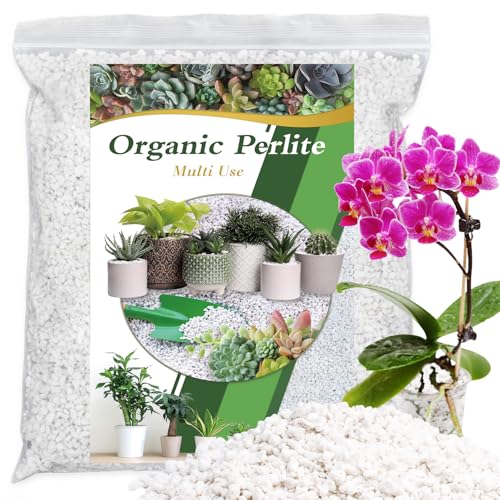
[Enhanced Soil Aeration] - Perlite improves soil aeration, allowing roots to access oxygen more efficiently, which is crucial for healthy plant growth.
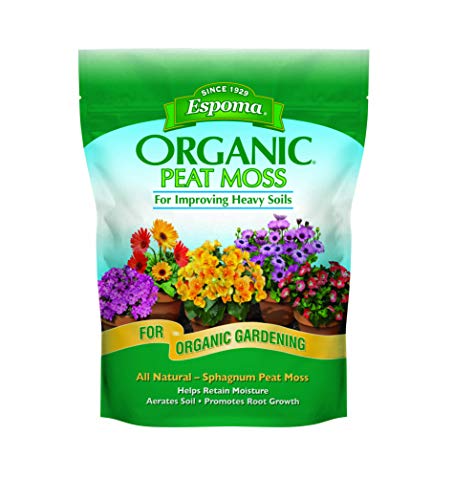
FOR USE ON: Use Espoma Organic Peat Moss to help loosen heavy potting soils. Peat Moss helps soils to retain water for less frequent watering

🌿 Boost Root Health & Drainage Instantly – Extra Coarse Grade 4 perlite for plants improves drainage and soil aeration, prevents root rot, and creates air pockets ideal for succulents, orchids, and cacti.