Deciding between anvil and bypass pruners can determine how clean and healthy your cuts are. The key choice depends on whether you’re trimming live green stems or dead, dry wood.
Proper tool selection keeps your plants healthier and makes pruning easier. Keep reading to find out which pruner works best for different types of plant material.
Why Bypass Pruners Cut Better on Living Plants
Bypass pruners cut with a scissor-like blade action, providing a cleaner and more precise cut on living plants compared to tools that crush or tear. This clean slicing preserves the plant’s tissue structure, minimizing damage and aiding faster wound sealing. Because the cut is smooth, there are fewer jagged edges where disease-causing organisms can enter, reducing the risk of infection. Bypass pruners also enable you to work closer to branch unions without leaving stubs, which supports the plant’s natural healing process. The gentle, accurate cut means plants spend less energy healing and more on healthy growth, making these pruners ideal for roses, perennials, and fresh shoots that require clean, precise cuts for long-term health. For bonsai enthusiasts, top pruning shears often feature a bypass design to ensure clean cuts on delicate branches. When using LECA for plant support, soaking LECA balls properly is crucial to prevent them from drawing moisture away from the roots. To verify soil moisture levels accurately around the root zone, using a best pH meters for water ensures you are watering with the correct acidity for optimal nutrient uptake.

Drop-forged construction delivers exceptional durability and sturdiness for long-term heavy garden use.

What Makes VT-C800 Unique? Ever-Sharp Teflon-Coated SK5 Blades | Jam-Proof Sealed Spring | Ambidextrous Thumb Lock | Backed by Lifetime Support

CLEAN CUTS FOR LIVE GROWTH: Bypass blade design is ideal for pruning delicate flower stems and green growth, helping reduce crushing and plant damage while cutting stems and small branches up to 5/8” in diameter
When an Anvil Pruner Makes Deadwood Cleanup Easier
Anvil pruners are especially effective for cutting dead, dry, or brittle wood. Their blade crushes against a flat anvil surface, focusing force onto the branch. This design makes it easier to snap through tough, non-living fibers with less effort because it relies on crushing rather than slicing. During cutting, the anvil supports the stem, helping to prevent slips and giving you better control over woody material. For gardeners who want to confirm their water quality for plants, a TDS meter can help measure dissolved solids in irrigation water.
These pruners are ideal for storm cleanup, removing old rose canes, or cutting winter-killed stems. Ratcheting models are particularly useful for deadwood thicker than one inch because they allow you to make multiple cuts in stages, reducing the force needed at each step. Since deadwood doesn’t require a clean finish, the rougher cut from anvil pruners is acceptable and speeds up the process. Just remember not to use them on green, living stems, as crushing can damage live tissue. For deadwood, these tools favor power and leverage over precision, making cleanup quicker and less tiring. Unlike living plants grown in coco coir, dead stems do not require a clean cut to heal properly, so the crushing action is perfectly suited for the task. Getting the right tool for the job can be as important as using a PAR meter to measure the optimal light intensity for healthy plant growth.
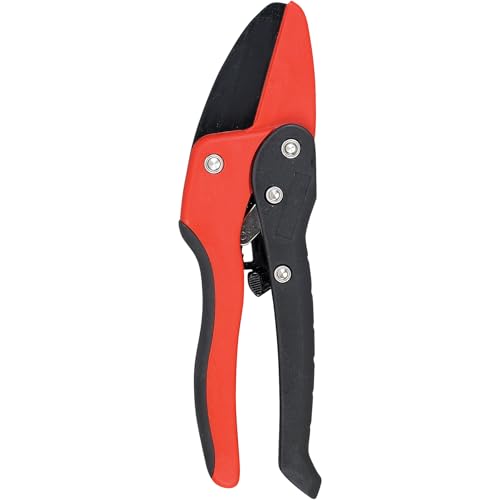
Powerful Ratcheting Cutting Action – Ratchet mechanism cuts in stages to increase leverage, making it easier to trim thicker stems and branches with reduced hand effort and fatigue.

GARDEN SHEARS PRUNING - 2-in-1 Innovative Design. Our model stands out with its unique design, offering two distinct working modes – the traditional Single-Cut for everyday pruning tasks and an advanced Ratchet-Cut with a 3-step mechanism for dealing with thicker branches.
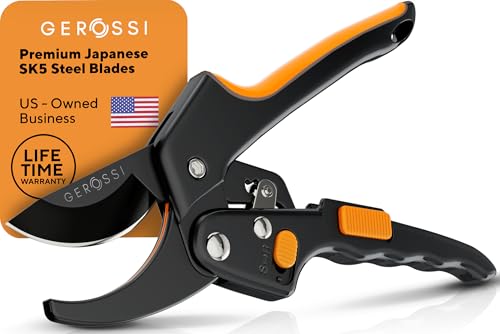
GARDEN SHEARS PRUNING - 2-in-1 Innovative Design. Our model stands out with its unique design, offering two distinct working modes – the traditional Single-Cut for everyday pruning tasks and an advanced Ratchet-Cut with a 3-step mechanism for dealing with thicker branches.
How Cut Quality Affects Healing on Live vs. Dead Stems
A clean cut is essential for healing on live stems, while dead stems can tolerate more damage. When you cut live tissue, a smooth, precise cut minimizes the injury and promotes faster healing by allowing the plant to easily form wound tissue and seal over the wound. Using a bypass pruner with scissor-like action reduces tissue crushing and damage, facilitating quick woundwood formation, especially near the base where root protection is critical. A ragged or crushed wound on live tissue delays closure and increases the risk of pest entry and disease, which can compromise the plant’s health. For optimal recovery in hydroponic setups, growers must also ensure their nutrient solution is properly balanced to support vigorous tissue regeneration.
In contrast, dead stems do not require the same level of cut quality because they lack living tissue and do not heal. For dead stems, the primary goal is efficient removal, making durability and speed more important than finesse. Crushing dead tissue, such as with an anvil pruner, poses less concern since the tissue isn’t alive. Nonetheless, avoid using anvil tools on live wood because they can crush soft cells and create unnecessary injury, slowing recovery. Similar principles of maintaining clean tools apply when sterilizing perlite effectively to prevent introducing pathogens to plant roots.
Which Pruner Cuts Thicker Branches With Less Hand Effort?
Anvil pruners cut thicker branches with less hand effort compared to bypass models. Their blades crush down onto a flat base, which requires less squeeze force from your hand. This design minimizes hand strain, especially when dealing with tough, dry, or woody material. Generally, anvil pruners are effective for branches up to 1 inch thick, making them suitable for heavy cutting without excessive effort. Bypass pruners demand more hand strength and cleaner technique, yet top-rated models still struggle beyond this diameter without added leverage. For extended reach tasks, electric pruning shears with extension poles can further reduce effort while cutting thicker material. Alternatively, following a step-by-step guide can help you build a cheap DIY carbon filter to manage dust from pruning debris.
While high-quality bypass pruners can also cut nearly 1-inch branches cleanly, they typically require more hand strength and smoother grip techniques as branch diameter increases. Proper pruning involves maintaining sharp, oiled blades for both types to ensure maximum cutting power. For branches exceeding 2 inches, using loppers or a saw is more effective because standard pruners cannot handle such thickness efficiently.

What Makes VT-X850 Stand Out for UK Gardeners? ✅ 𝐏𝐚𝐭𝐞𝐧𝐭𝐞𝐝 𝐒𝐭𝐞𝐩𝐥𝐞𝐬𝐬 𝐇𝐚𝐧𝐝𝐥𝐞 (Fits All Hand Sizes – No More Aching Wrists, Even in Damp Gardens!) ✅ 𝐒𝐞𝐚𝐥𝐞𝐝 𝐑𝐮𝐬𝐭-𝐏𝐫𝐨𝐨𝐟 𝐒𝐩𝐫𝐢𝐧𝐠 (Built to Brave Damp Weather All Year Round) ✅ 𝐀𝐦𝐛𝐢𝐝𝐞𝐱𝐭𝐫𝐨𝐮𝐬 𝐒𝐚𝐟𝐞𝐭𝐲 𝐋𝐨𝐜𝐤 – 𝐆𝐥𝐨𝐯𝐞𝐝-𝐇𝐚𝐧𝐝 𝐅𝐫𝐢𝐞𝐧𝐝𝐥𝐲 (Left/Right Users, Rain or Shine) ✅ 𝐏𝐨𝐰𝐞𝐫𝐟𝐮𝐥 𝐀𝐧𝐯𝐢𝐥 𝐂𝐮𝐭𝐭𝐢𝐧𝐠 𝐒𝐲𝐬𝐭𝐞𝐦 — Built for Dry Branches & Dead Stems

CHOPS THROUGH 2-INCH BRANCHES EFFORTLESSLY: The compound action mechanism multiplies your cutting power for fast removal of dry, dead and woody growth. This anvil-style blade is built for the toughest preparatory cuts and cut-to-length work, making heavy-duty pruning dramatically easy through extra leverage.

Rust-resistant and Sharp: The pruning shears use high-quality SK5 high-carbon steel blades with a Teflon coating for rust and non-stick properties. They remain sharp even with frequent use and are durable.
The Simple Rule: Bypass for Live, Anvil for Dead
Using the right tool for the job makes all the difference. For live, green stems, always choose bypass pruners. They cut by shearing the stem between two sharp blades, producing a clean slice that minimizes tissue damage. This method promotes faster healing and reduces the risk of disease entering the plant. Bypass pruners are particularly suited for tender, living growth because they slice smoothly without crushing the stem. For living plants, this careful technique supports recovery similar to how humic acid application helps a lawn recover from stress. Regularly cleaning your carbon filter can also remove airborne debris that might dull your blades over time. Preparing the blades by wiping them with a sanitizing solution before each use can further prevent the spread of disease between plants.
In contrast, for dead, dry wood, anvil pruners are the better choice. They work by compressing the stem between a sharp bottom blade and a thick, flat anvil. This crushing action is ideal for brittle, non-living material because it doesn’t tear or rip, and it handles rough, coarse wood without dulling the blades quickly. Since dead wood doesn’t require a clean cut for healing, anvil pruners make cleanup efficient without risking damage to living tissue.
Sticking to the simple rule—bypass for live, anvil for dead—not only ensures cleaner cuts and healthier plants but also extends the life of your tools. Bypass blades stay sharper longer when used on tender stems, while anvil pruners are less likely to dull quickly when used on rough, dead wood. The proper tool choice streamlines your pruning process and results in healthier, more vigorous plants.