Wondering if vermiculite is dangerous? It’s not inherently toxic, but the real risk comes from contaminants like asbestos that can be present in some supplies.
Disturbing or inhaling these tiny fibers can harm your lungs and even lead to cancer.
That’s why understanding how to handle it safely is so important. Keep reading to learn the full safety picture.
What Is Vermiculite and Where Is It Used?
Vermiculite is a lightweight, porous mineral that expands when heated. Its structure makes it an excellent insulator, while its ability to absorb and retain moisture makes it useful in various applications. You’ll find it commonly used in gardening, construction, and industrial settings without immediate safety concerns when applied appropriately. For those testing water quality in related applications, a best pH meter ensures accurate readings for safe handling.
In horticulture, fine-grade vermiculite is mixed into potting soils to enhance moisture retention and improve aeration, aiding seed germination and root development. For optimal plant care, consider using a moisture meter for Monstera to accurately assess soil moisture levels. For construction, it appears as loose-fill insulation in attics or walls, providing thermal insulation and soundproofing. It’s also a component in fireproof coatings and plasters, offering fire resistance.
Industrially, vermiculite acts as a packaging filler for fragile goods due to its cushioning properties. It is also utilized as a carrier for fertilizers, helping deliver nutrients efficiently, and pairing well with top nutrients for hydroponic growth to maximize plant health. Its non-flammable, porous structure underpins this versatility, making it suitable for many legitimate uses. Still, it’s important to stick to these applications and consider safety guidelines when handling vermiculite.

READY TO USE MIXTURE - The same formulation as used by professional growers

100% Natural Soil Amendment for Plants - Plantonix Vermiculite Bliss is a natural soil amendment that traps nutrients in the soil, before gradually releasing them into plant roots as needed. Over time, vermiculite drastically improves nutrient retention and availability, leading to higher nutrient uptake and optimizing soil conditions for increased plant vigor.

Versatile & Long-Lasting: Clean, odorless, non-toxic, and pH neutral, vermiculite won’t rot or mold, making it ideal for gardening, packaging, and industrial use.
Is Vermiculite Dangerous?
Vermiculite is generally safe in typical consumer applications if properly handled, but the level of danger depends on whether it contains asbestos and if it is disturbed. For gardening use, you should stay safe by keeping the material moist, working outdoors, and avoiding dust on your clothes. Inhaling dust is the primary concern, so keep vermiculite damp to prevent airborne particles from becoming inhalable. However, some vermiculite from specific mines is known to contain naturally occurring asbestos, making testing essential for unknown sources. Using a hygrometer to verify that your vermiculite remains damp can help minimize dust risks. When building a DIY net pot for hydroponics, keep the vermiculite damp to avoid creating dust during assembly.
When it comes to vermiculite insulation, it is best to treat all attic or wall materials as if they contain asbestos unless tested otherwise. Never attempt to disturb or remove this insulation yourself. Industry standards require sealing off the area and hiring a licensed asbestos specialist for any renovation or removal work. Do not store items near it or allow children to play nearby. Remember, the risk of exposure increases sharply when you disturb the material, so it’s important to leave it untouched.
What Makes Asbestos in Vermiculite Harmful?
The asbestos fibers contaminating some vermiculite are tiny, often less than 10 micrometers long, and are why it’s harmful. When this contaminated vermiculite is disturbed, the fibers can become airborne easily. Inhalation of these microscopic fibers allows them to reach deep into your lungs, where they can lodge in lung tissue. These fibers are invisible to the naked eye, making it impossible to avoid inhaling them if the material is disturbed. For safer alternatives, consider using top clay balls for healthy plant growth. Once inhaled, asbestos fibers cause persistent irritation and scarring in the lungs, which can lead to asbestosis—a condition that stiffens lung tissue and makes breathing difficult. The danger isn’t immediate but can develop over decades, increasing the risk of serious illnesses such as lung cancer and mesothelioma later in life. The key to safety is controlling dust; keeping vermiculite intact prevents fibers from becoming airborne. Without proper dust control, you risk breathing in the very fibers that pose a significant health threat. Unlike the inert mineral structure of asbestos, humic acid improves soil structure safely through natural organic decomposition. If you need to use a similar growing medium, sterilizing perlite effectively can reduce dust and ensure a safer material for your plants.
When Is Vermiculite Insulation Safe to Leave Alone?
Vermiculite insulation is generally safe to leave undisturbed if it contains asbestos and remains intact. Since its traditional use involved pouring it into attics or wall cavities, it can stay harmless as long as it is not disturbed. When the insulation is sealed away and not disturbed by activities like sweeping or vacuuming, it doesn’t release fibers into the air, minimizing environmental impact. If your attic is not used for storage and no renovations are planned, you do not need to take action. The key is to avoid disturbing the material, as any physical manipulation can release asbestos fibers and pose a health risk. The safest approach is to assume it contains asbestos and leave it undisturbed unless absolutely necessary. Only when the insulation is disturbed—such as during renovations or accidental dislodging—does concern arise, and professional removal may become necessary. As an alternative to risky insulation, you can use a vermiculite-free growing medium in a DIY hydroponic system. For healthy plant growth under such conditions, full spectrum LED lights are highly recommended to support strong development and flowering.

6000K White Light - equipped with 10 Red + 74 White LEDs, this growing Lamp is similar to the full-spectrum sunlight at noon,that is professionally designed for indoor garden plants.Moreover, its color rendering index is as high as 95, the light is soft and flicker-free, which is very suitable for reading lamp

🌻Efficient LED Combination: This LED lamp has grow lights made up of 80 efficient growing LEDs ( 32 red lights, 12 blue lights,20 yellow lights and 16 white lights). It meets the conditions of plant growth without sunlight. 1--Full Spectrum(380nm-800nm): Suitable for all plants to root and sprout. 2--Red(660nm)+BLUE(460nm) Spectrum: for blooming and fruits. 3--Red+Blue+Full Spectrum: A mix of Red+Blue+Warm White is best to fuel the growth of your plants.

FULL SPECTRUM & NATURAL LIGHT: A19 full spectrum grow light appears 4000K white to eyes but has a red/blue light spectrum. Same as natural sun shine, perfect for tomatoes, cucumbers, peppers, leafy greens and herbs at all growth stages.
Which Activities Put You at Risk From Vermiculite?
Activities that disturb vermiculite pose the greatest risk of asbestos fiber release. Home renovations, such as cutting into walls, air sealing, or demolition, can disrupt vermiculite insulation and release dangerous fibers into the air. Routine maintenance tasks like inspecting attics or repairing plumbing also become hazardous if the material is present, especially without proper safety precautions.
Accessing or storing items in the attic can increase exposure. Walking on exposed vermiculite or moving stored boxes could dislodge particles, making fibers airborne. Cleaning methods like dry sweeping, vacuuming without an asbestos-rated filter, or using compressed air can spread dust and fibers, significantly enhancing health risks.
Outdoor activities like digging in the yard, mowing, or handling soil contaminated with vermiculite also threaten your safety. Dry conditions make fibers easier to become airborne, and dust can be carried indoors on clothing and tools. Any activity involving breaking, shifting, or disturbing vermiculite greatly elevates your risk, particularly if you lack appropriate training or safety measures. In contrast, perlite for succulents is a safe, non-toxic alternative that does not carry the same asbestos risks.

POWERFUL SUCTION FOR CARPET & HARD FLOORS: Clean carpets and hardwood floors with strong multi-surface suction. This lightweight upright vacuum cleaner lifts dirt, debris, and pet hair for a complete home clean.

POWERFUL SUCTION FOR CARPET & HARD FLOORS: Clean carpets and hardwood floors with strong multi-surface suction. This lightweight upright vacuum cleaner lifts dirt, debris, and pet hair for a complete home clean.
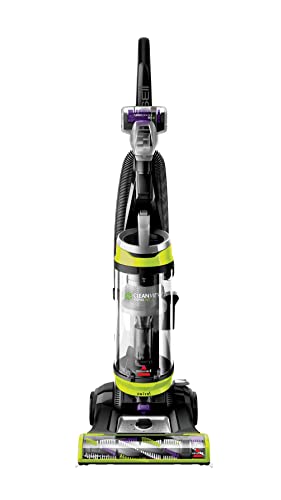
EVERY PURCHASE SAVES PETS. BISSELL proudly supports the BISSELL Pet Foundation and its mission to help save homeless pets. When you buy a BISSELL product, you help find a home for a pet in need.
How to Handle Vermiculite Safely (If You Must Disturb It)
If you must disturb vermiculite, assume it contains asbestos and handle it with extreme caution. Begin with a thorough hazard assessment to determine the safest approach. Minimize dust by keeping the material damp and limit the time you spend in the area to reduce exposure. Always wear protective gear, including a dust respirator, eye protection, and gloves, before entering the space. Avoid dry sweeping, as it can resuspend fibers into the air; instead, gently wet the material to keep fibers contained.
Limit your movements within the area to prevent disturbing more dust than necessary. Keep children and pets far away and seal off the area from others to prevent cross-contamination. After completing your work, carefully place any waste in sealed bags or containers, and remove clothing that may have come into contact with fibers before re-entering your home. Remember, handling asbestos-containing materials is complex and dangerous. If you’re unsure or uncomfortable, contact trained professionals to perform the removal safely—your goal should be to disturb as little as possible.

PROTECTION : The AirGearPro G-500 Respirator mask and Safety Goggles are CE certified to ensure your protection during painting, woodworking, construction, sanding, renovation, demolition etc.
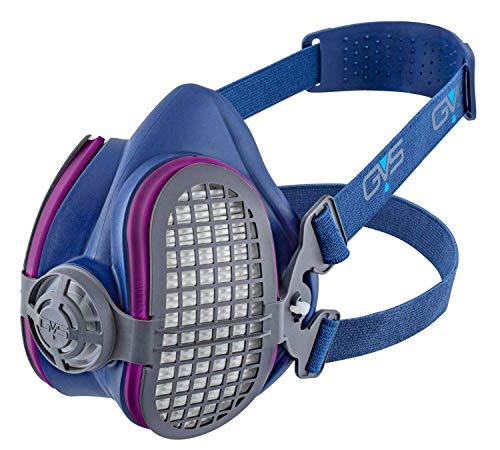
This mask is recommended for dust and fumes containing substances such as micro-organisms, marble, gypsum, titanium oxide, soapstone, rock wool, wood, detergents, textile fibres, spices, salt, animal feeds, etc.. Protects against dust that can cause lung disease. In particular, protects against coal, silica, cotton, iron ore, graphite, kaolin, zinc, aluminium dusts. Protects against harmful dusts such as asbestos, bauxite, coal, silica, iron, and against toxic dusts.
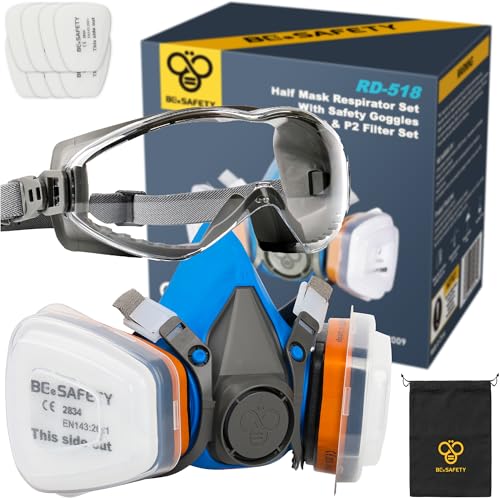
Dual Protection for Vapor, Dust & Eye Safety : BEESAFETY RD-518 respirator mask kit combines a half face respirator with safety goggles, designed to help reduce exposure to organic vapors, paint fumes and airborne particles such as dust and sanding debris. Provides both respiratory and eye protection, making it ideal for painting, sanding, resin work and construction environments
Should You Remove Vermiculite Insulation or Leave It Alone?
You should leave vermiculite insulation alone whenever possible. The EPA emphasizes non-disturbance because disturbing it releases asbestos fibers, which significantly increase health risks. If the insulation is not in a way that you can access or handle safely, the best option is to leave it intact. Avoid opening attic spaces or disturbing the material unless absolutely necessary. For comparison, growing healthy carrots requires essential nutrients like nitrogen, phosphorus, and potassium for strong root development. However, unlike the sterile, inert nature of perlite propagation, vermiculite’s risk comes from its mined origin, which can naturally contain asbestos.
Remove the insulation only when disturbance is unavoidable—such as during renovation projects. In those cases, hire a trained asbestos abatement professional; attempting DIY removal can expose you to hazardous fibers. If the vermiculite is sealed behind walls or in vented attic spaces, leave it undisturbed. Consider removal only if it is visibly spilling into living areas or easily accessible.
While some homeowners might be tempted to remove it for aesthetic reasons, the environmental and health risks posed by fiber release far outweigh any cosmetic benefits. The safest approach is to leave intact vermiculite alone if it remains undisturbed and to only remove it when work or health concerns require it.

COMFORTABLE FIT DESIGN: Tyvek 400 garments feature a comfort fit design for maximum comfort. This design allows for greater movement; reinforced stress areas; longer zipper for easier wear; and an elastic waist for optimal positioning

COMFORTABLE FIT DESIGN: Tyvek 400 garments feature a comfort fit design for maximum comfort. This design allows for greater movement, reinforced stress areas, longer zipper for easier wear, and an elastic waist for optimal positioning.

Snug but Not Snaggy: Elastic wrists and ankles ensure a snug, snag-free fit for maximum mobility and comfort.