Wondering how to grow plants without soil? Hydroponic systems let you do just that—plants thrive in water loaded with essential minerals instead of dirt.
With roots dangling in a nutrient mix and oxygen supplied through air stones, you can cultivate healthy plants efficiently.
Keep reading to find out which system suits your space and needs.
What Is Hydroponics, and Why Skip the Soil?
Hydroponics skips the soil entirely, providing plants with direct access to water, oxygen, and nutrients through a soilless growing medium. Instead of traditional dirt, you use materials like perlite, vermiculite, or clay pellets to anchor your plants. These alternatives support the roots physically while allowing them to breathe and absorb nutrients efficiently. By removing soil, you eliminate common problems such as pests, weeds, and nutrient deficiencies. The system recirculates water, reducing consumption and waste. This method enables you to grow faster, more densely, and year-round, even in limited spaces like urban apartments or in arid environments. To maintain this precise nutrient balance, you should regularly test the solution using accurate pH testing to ensure optimal uptake. You can also pair hydroponics with LED grow lights to provide the specific light spectrum needed for photosynthesis without relying on sunlight, further enabling indoor, year-round cultivation. Hydroponics replaces soil with a cleaner, more controlled foundation that offers precise nutrient delivery and healthier root development.
The Nutrient Solution: What Your Plant Actually Drinks
The nutrient solution is a carefully balanced mix of dissolved mineral nutrients in water. It includes macronutrients like nitrogen, phosphorus, and potassium, which are essential in larger amounts for plant growth. Micronutrients such as iron and zinc are also added in smaller quantities but are equally vital for healthy development.
This solution is not just water; it provides ions that plants can absorb quickly. The concentration of nutrients is tailored to the crop’s stage—seedlings receive a weaker solution, while fruiting plants get a stronger mix. Maintaining a pH level between 5.5 and 6.5 is critical to keep nutrients available. Regularly checking the electrical conductivity, or EC, helps monitor the total salt concentration in the solution. Sterilizing perlite with boiling water or steam can also prevent contamination that might disrupt nutrient balance. Perlite itself does not degrade and can be reused indefinitely if properly cleaned. Its high porosity allows for excellent drainage and aeration in the root zone.
Adjusting the nutrient mix consistently is key. Check the pH several times a week; if it drifts outside the optimal range, correct it promptly. Likewise, measure EC each time you prepare a new batch—if EC becomes too high, dilute with water; if it drops, add more nutrients. Using good-quality source water ensures stability and reduces the need for frequent adjustments.

Affordable 86pcs Hydroponic Pods Kit: These indoor gardening system supplies come with 40 grow sponges, 40 pod labels, 6 pieces totaling of 600ml A&B nutrients (including 4 fertilizer refills), and 1 tweezer, including all the essential hydroponics garden supplies you need. Easy to use for beginners and professionals

Supports Roots & Plant Development – Helps encourage strong roots and balanced plant growth.

✅Precise pH Control – Formulated with food-grade phosphoric acid (pH Down) and premium buffering agents, this kit ensures accurate pH adjustment (5.5–6.5 range) for optimal nutrient absorption in hydroponics, soil, aquaponics, and more.
How Hydroponic Systems Deliver Nutrients to Roots
You must manage oxygen levels carefully in your hydroponic system. Roots need oxygen to function properly, so your setup should combine nutrient delivery with aeration. Recirculating systems help you reuse excess solution, maintaining a steady supply of nutrients while preventing waste buildup. It’s important to keep nutrient concentrations balanced—too high or too low can stress the roots and inhibit growth. Ultimately, you want direct contact between the roots and nutrient solution to maximize nutrient uptake efficiency compared to traditional soil methods. For optimal growth, consider using any standard lamp as a housing for a grow light bulb, as the key requirement is that the lamp can safely handle the bulb’s wattage and heat output. Using top clay balls as a growing medium can improve aeration and drainage around the root zone. Adding a layer of coco coir as mulch on top of your medium can help retain moisture and suppress weed growth.

THRIVE WITH VEGETATIVE GROWTH: Experience vegetative growth with Fox Farm Grow Big Hydroponic, designed specifically for hydroponic systems. The 3-2-6 nutrient mix supports plants, size and structure

Durable & Corrosion-proof Material: Our 5-gallon RDWC hydroponic grow system features PP planting buckets that are sturdy, durable, corrosion-proof, and temperature-resistant. Perfect for long-term use without deformation, ideal for plant hydroponics.
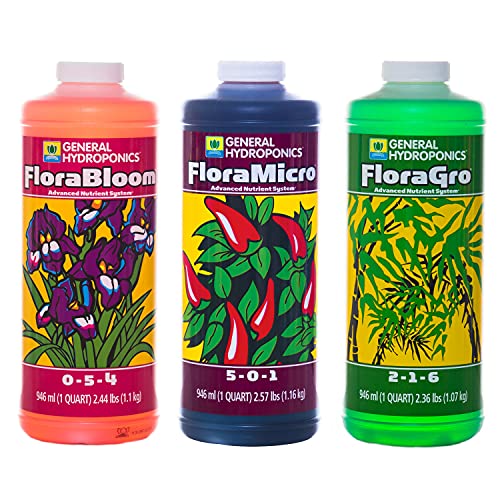
The FloraSeries is a hydroponic-based nutrient fertilizer system that helps fulfill your plants’ nutrient needs at every stage of growth
Deep Water Culture vs. NFT vs. Ebb and Flow
Deep Water Culture is the simplest to manage for beginners. Roots hang directly in a nutrient-rich reservoir, with an air pump continuously delivering oxygen. This setup provides stable conditions, making it ideal for growing lettuces and herbs. Maintenance mainly involves ensuring the water level remains consistent and checking the oxygen supply regularly. Because of its straightforward design, DWC tends to be reliable and forgiving, especially when starting out in hydroponics. The air pump is crucial for preventing root suffocation and maintaining healthy growth.

DWC Bucket +Top Drip Kit: Upgraded DWC hydroponic planting system adopts an unique top drip irrigation design; It provides a water circulation to keep the nutrient water fresher and easier to be absorbed


Choosing a Growing Medium: Coco Coir, Clay Pellets, or Rockwool
Coco coir is an excellent choice for a hydroponic growing medium due to its high water retention and strong support for roots. It can hold up to ten times its weight in water, ensuring your plants stay consistently moist. This sustainable material needs to be pre-soaked and buffered with calcium-magnesium agents to prevent nutrient lockout, which can hinder nutrient availability. Monitoring the runoff electrical conductivity (EC) is essential to maintain optimal nutrient levels and prevent salt buildup. Overall, coco coir offers a balance of water retention and root support, making it suitable for a wide range of hydroponic crops. For those just starting, this easy home guide covers how to grow in coco coir with a simple walkthrough anyone can follow.

🌱 Premium Super Washed Coco Coir – Triple-washed, low-EC, pH-balanced coco coir with reduced salts. Ready to hydrate and use for seed starting, container gardening, and soil amendment applications.

You will receive (1) 2-cubic foot bag per purchase.

* MASSIVE EXPANSION RATIO: Highly compressed 5kg (11 lb) block expands to approximately 55 Liters of fresh, loose, ready-to-use coco coir substrate upon rapid hydration.
Why Oxygen Is Critical in Every Hydroponic Setup
Without sufficient dissolved oxygen, your plant’s roots cannot respire efficiently, leading to slowed growth, browning, and poor nutrient uptake. Maintaining dissolved oxygen levels between 5 and 8 parts per million (ppm) is essential for healthy root function. Since water temperature influences oxygen solubility—with warmer water holding less oxygen—you should monitor and adjust for temperature fluctuations regularly. Using aeration devices such as air stones or venturi systems helps keep oxygen levels above the critical 3 to 4 milligrams per liter (mg/L) mark, which is considered the danger zone for oxygen deficiency. Keeping your nutrient reservoir clean and well-circulated also supports oxygen distribution throughout the root zone. An oxygen-rich environment promotes vigorous plant growth and prevents stagnation, reducing the risk of root diseases like Pythium. Just as perlite for succulents enhances drainage and aeration in soil, aeration devices in hydroponics ensure roots receive the oxygen they need to prevent waterlogging and disease. Checking root health with a reliable moisture meter ensures early detection of oxygen-related stress before visible damage occurs. A hygrometer helps you avoid oxygen deficits by measuring air temperature that directly affects water’s gas holding capacity.
Monitoring pH and Nutrients: What Can Go Wrong
Monitoring pH stability is crucial because even a drift of more than 0.3 units per day can cause serious nutrient lockout or toxicity. When your pH fluctuates beyond this range, plants may become starved of essential nutrients like iron, manganese, and zinc, leading to deficiencies despite appearing healthy. Conversely, a drop below 5.5 can hinder calcium and magnesium uptake, resulting in symptoms like tip burn or leaf curling. Alongside pH, keep an eye on electrical conductivity (EC), which can spike from overfeeding or salt buildup over time—these changes can also stress your plants. Regularly calibrate your pH meters, as uncalibrated devices give false readings. Using a reliable greenhouse hygrometer helps you track ambient humidity, which can indirectly affect nutrient solution evaporation and concentration in the growing environment. Hard water naturally pushes pH upward, making adjustments more difficult, while low-buffer water can cause rapid swings. Track the daily pH slope rather than just single readings to detect early signs of imbalance before damage occurs. For precision gardening tasks like cutting stems, consider using best pruning shears to maintain clean cuts that reduce plant stress. Properly hanging garden shears after cleaning prevents blade damage and safety hazards.

Application: Great for all home and laboratory TDS & pH testing applications including aquariums, swimming pools

{One-click access to the temperature pH EC value of hydroponic nutrients solution} YINMIK 4-in-1 pH EC tester is a professional tester for hydroponic growers. The pH ppm mode is designed for hydroponic basic reservoirs, and the pH EC mode is designed for hydroponic nutrient solutions.The pH and temperature of this product are always displayed on the screen.

Application: Ideal for residential or commercial use, water, pool, spas, liquid food, laboratory, aquaculture and hydroponics
Benefits and Hidden Costs of Hydroponics
Hydroponic systems typically have high startup costs, often ranging from several thousand to tens of thousands of dollars depending on the scale and complexity. You need to invest in equipment like pumps, grow lights, timers, and climate control systems. These initial expenses can be a barrier for newcomers but are essential for creating a controlled environment that maximizes growth efficiency.
Ongoing costs also add up. Energy bills tend to spike because of continuous operation, especially if artificial lighting is used 24/7. Maintenance costs can reach about 6% of your initial investment annually, covering parts replacement and system calibration. Labor is another factor; you’ll need to regularly monitor and adjust pH levels and nutrient concentrations to keep crops healthy. For this, you will need a reliable EC meter for hydroponics to ensure precise nutrient readings and avoid crop deficiencies.
Operational costs per hectare can be significantly higher than traditional methods. For example, studies report expenses around $5,250 per hectare for hydroponics versus approximately $4,050 for drip irrigation. While hydroponics offers rapid yield increases and water efficiency, your financial investment in equipment, energy, and labor is substantial.