Wondering how to keep your fish tank well-oxygenated and lively? An air stone is a simple tool that can make a big difference. It connects to an air pump to produce a steady stream of tiny bubbles, increasing oxygen levels and improving water circulation.
Keep reading to learn how it works and how to use it effectively.
What Is an Air Stone and How Does It Work?
An air stone is a porous device, usually made from stone, ceramic, or wood. It connects to an air pump via tubing and is submerged in water. When the pump forces air through it, the micro-pores release a steady stream of fine bubbles. This gentle bubble production prevents large bursts and creates a soft, continuous flow. Among growers, an air stone is valued for powering a low-stress environment in the grow setup by preventing large bursts and circulating water evenly. In coco coir growing, this gentle aeration is particularly useful for keeping nutrient solutions well-mixed without disturbing the delicate root system. These tiny bubbles do more than just look appealing. They help break up stagnant areas by gently circulating water from the bottom to the surface. This consistent movement reduces dead spots where toxins can accumulate, helping to stabilize water chemistry. Additionally, it creates a low-stress environment for fish by mimicking natural, gentle currents that some species prefer. For optimal performance, it is important to periodically clean the air stone to remove buildup that can clog the tiny pores. Overall, an air stone is an effective, simple tool that significantly contributes to maintaining the health and stability of your aquarium.
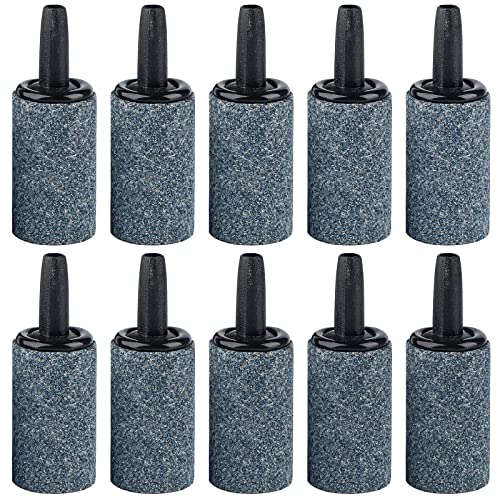
Tiny but Enduring: Each air stone measures 0.6" D x 1" H and weighs 0.3 oz. Tiny but well-constructed for continual bubbling. Ideal for small fish tanks or aquariums.
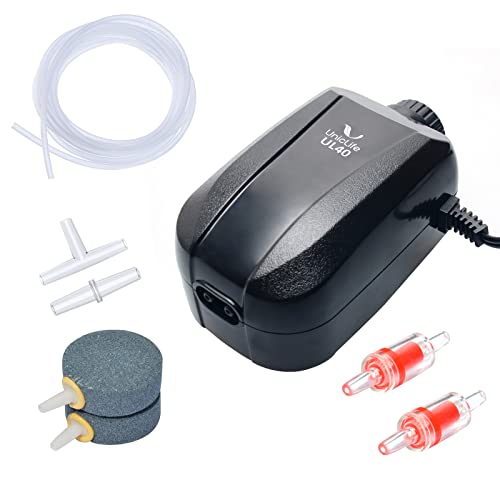
Steady Output: Max Air Flow Rate: 64 GPH; Pressure: 0.016 MPa; Power: 4 W. Perfect for aeration in 10 - 100 gallon fresh water and marine aquariums.(The data is measured with experimental equipment and may deviate slightly from the actual data. The air volume may be insufficient due to the blocked air intake cotton. Please replace the cotton yourself if the air volume is insufficient.)

Small Air Stone Disc: Each airstone measures 1.5" D x 0.7" T and weighs 1 oz. Tiny but well-constructed for continual bubbling. Ideal for fish tanks, DWC systems and small ponds.
How Air Stones Improve Oxygen Levels in Your Tank
The tiny bubbles from an air stone significantly boost oxygen levels in your tank by increasing the surface area for gas exchange. When compressed air is diffused through the stone, it creates countless small bubbles, which dramatically enhances the contact between water and air. Smaller bubbles have a greater surface area relative to their volume compared to larger ones, allowing oxygen to dissolve into the water more efficiently.
As these bubbles rise, they continually bring lower-oxygen water from the bottom to the surface. This movement facilitates the diffusion of oxygen from the bubbles into the water and helps remove any oxygen-depleted water from the tank’s interior. The result is a measurable increase in dissolved oxygen levels, often by 1 to 2 parts per million (ppm), which is vital for maintaining a healthy environment—especially in tanks with many fish or during warm weather when oxygen demand is higher. An air stone ensures your fish have a steady, reliable oxygen supply, providing an essential safety net for their well-being. For optimal performance, top options for porous materials can enhance bubble diffusion even further. To ensure these levels remain optimal, regular monitoring with a pH meter can help you maintain balanced water conditions alongside your aeration setup. For long-term performance, selecting durable plant labels can help you track which species thrive best under your aeration schedule.
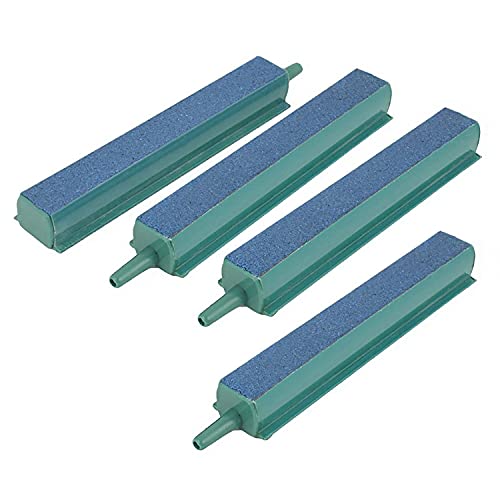
Air Stone Bar: Each airstone measures 4.5" L x 0.8" W x 0.5" T and weighs 1 oz. Well-constructed for continual bubbling. Ideal for small buckets, fish tanks or aquariums.

Widely applicable: suitable for small fish tanks and aquariums, helping extend the life of your nutrient solution
Why Air Stones Boost Circulation and Reduce Dead Spots
Air stones significantly boost circulation by converting pump airflow into a cloud of tiny bubbles, creating much more water movement than an undiffused air feed. This enhanced circulation is crucial for eliminating dead spots in your tank. The rising bubbles pull water upward from the bottom, breaking up stagnant pockets that tend to form behind decorations like driftwood or rocks. This vertical flow promotes even mixing throughout the water column, preventing waste and uneaten food from settling into corners. As a result, nutrients and heat are evenly distributed, supporting healthier plants and fish. Improved water movement also benefits fish behavior; without dead spots trapping debris or oxygen-depleted zones, fish stay more active and display natural behaviors. Additionally, air stones help sweep debris toward your filter, keeping your tank cleaner and more dynamic overall. For those using this system in a controlled growing environment, complete 4×4 grow tent kits often include similar aeration components to ensure even circulation. For precise measurement of this enhanced water quality, you can use a TDS EC meter to monitor dissolved solids and conductivity. Similarly, using a moisture meter for cactus care can help prevent overwatering by accurately gauging soil dryness.
The Best Places to Put an Air Stone for Water Flow
Placing your air stone near the bottom of the tank is most effective for water circulation. This position maximizes bubble travel distance and helps lift water from the lower layers where circulation tends to be weakest. For tanks deeper than 12 inches, situating the stone close to the substrate is recommended to reduce stagnant zones and promote even flow throughout. For optimal results, ensure the air stone is paired with a grow tent light that provides sufficient coverage for healthy plant growth. In a DIY hydroponic system, an ebb and flow setup benefits greatly from this same bottom placement to prevent root rot and nutrient stagnation.
Target low-flow areas such as back corners or behind decorations to eliminate dead spots. Positioning the air stone opposite your filter outflow creates cross-tank circulation, ensuring water moves smoothly across the entire aquarium. Avoid placing the stone under the filter intake or near heater surfaces, as this can disrupt proper flow and heating.
Don’t bury the stone into the substrate or block it with plants, which can diminish bubble production and flow. For DIY setups, placing the stone in corners or along edges keeps equipment discreet while guiding the flow along the length of the tank. Using multiple stones is particularly beneficial in larger tanks, helping to distribute bubbles evenly. Additionally, the rising bubbles can enhance visual interest by creating movement without disturbing the main viewing area.

Medium Bubbles: Produces abundant dense bubbles to aerate your water reservoirs. A great way to increase oxygen solubility in your aquarium and enliven the aquatic lives.
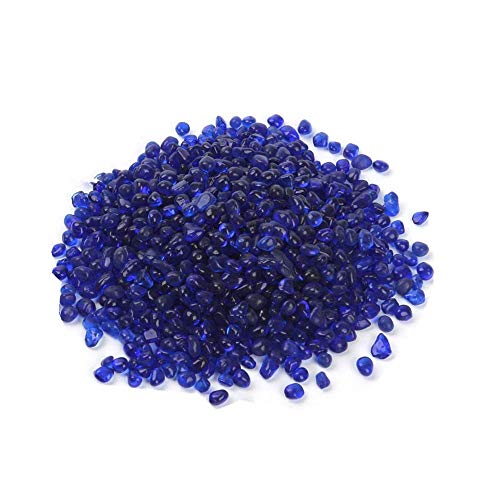
Net weight: 1 pound (460 grams),Size of stone: approx (3-5mm), Fill 1 Cup or 0.25 L volume. NB the stones are 1 lb heavy enough .

Reliable Airflow Connection - This standard airline tubing connects aquarium pumps to air stones, under-gravel filters, and decorative ornaments. A dependable solution for maintaining steady airflow during new setups, system upgrades, or routine tank maintenance.
Air Stones vs. Other Aeration Methods: Key Differences
Air stones differ significantly from other aeration methods like sponge filters, air diffusers, filter outflows, and paddlewheel systems. They excel at producing fine bubbles from a compact, flexible unit, making them ideal for precise placement in small or delicate tanks. Sponge filters combine aeration with filtration, which can make them bulkier and fixed in place, limiting flexibility. Broader air diffusers distribute gas exchange over larger areas but lack the pinpoint accuracy of air stones. Filter outflows mainly disturb the surface, which may not effectively reach stagnant zones, while paddlewheel systems move large water volumes but are better suited for industrial tanks rather than home aquariums. For users prioritizing accuracy, opting for a top water TDS meter ensures reliable readings alongside your aeration setup. When starting seeds, using coco coir for seed starting provides a similar fine-textured medium that promotes root aeration and moisture retention. Unlike some aeration methods, air stones do not provide UV light exposure for plant growth, which some growers may need for specific setups.
Practically speaking, air stones tend to be quieter, cheaper, and easier to install than mechanical aerators. They do not provide water filtration, so you will need a separate biological filter if water quality improvement is necessary. Their fine bubbles significantly increase oxygen contact with water, but surface agitation from your filter may produce sufficient aeration depending on your tank’s needs. Consider your tank’s circulation and filtration requirements carefully before choosing the most suitable method.

NANO MICRO-BUBBLE TECHNOLOGY: hygger air stone's nanoporous structure produces countless ultra-fine bubbles; As these bubbles gently burst, they release oxygen while running with extremely low noise and causing minimal surface disturbance; Whether in an aquarium, pond, or hydroponic system; Fish tank bubbler quietly adds oxygen while keeping water stable, effectively raising dissolved oxygen levels and creating a much better living environment for aquatic life.

Dense Tiny Bubbles: Our hygger oxygen stone refines the air output from the air pump into fine, delicate bubbles, akin to a gentle mist. This enhances oxygen solubility in your aquarium, hydroponic systems, fish tanks, and small ponds effectively.

FINE BUBBLE WALL - Featuring a high-density fiber inner core, the Devopet bubble bar produces a spectacular curtain of dense, micro-bubbles. It not only adds a visually stunning effect to your aquarium but also maximizes surface agitation and promotes water circulation
When Do You Actually Need an Air Stone in Your Aquarium?
You need an air stone when your tank struggles with surface agitation, resulting in weak gas exchange. This often happens in tanks with gentle filters that don’t create enough ripple on the water’s surface. Warm water above 80°F holds less dissolved oxygen, so during hot months, supplemental bubbling becomes necessary. Overstocked tanks or those under medication also benefit from increased aeration. Signs your tank needs an air stone include fish gasping at the surface or rapid gill movement, indicating they aren’t getting enough oxygen. For best results, you should also consider sterilizing perlite to prevent introducing pathogens into the aquarium substrate.
While the visual effect of fine bubbles can enhance your aquascape, it’s not essential. Fish compatibility matters too: calm, slow-moving species generally dislike strong currents created by powerful aeration devices, yet they still need oxygen. In low-flow planted tanks, an air stone helps maintain oxygen levels without disturbing delicate plants or inhabitants. If you notice the water surface still and stagnant, adding an air stone will promote better surface agitation and improve overall oxygen exchange. For healthy rooted plants, perlite can also improve soil aeration and drainage, supporting robust growth.
Can Air Stones Hurt Your Aquarium? Let’s Clear That Up
Air stones can cause problems for your aquarium if not used correctly, but under proper conditions, they are safe. Without a check valve on your airline, they can create a siphon effect that drains water from your tank if the airline is disconnected or fails. This can lead to sudden water loss and stress for your fish. Excessively strong bubbles in calm-water setups can stress fish, disturb settled debris, and cloud fine substrates, reducing the tank’s clarity. In planted tanks, aggressive aeration increases CO₂ off-gassing, which can destabilize pH levels especially in low-buffer water, potentially harming your plants and fish. Dirty or clogged stones trap bacteria and algae, diminishing their visual appeal and requiring regular cleaning to prevent buildup. It’s important to remember that air stones do not replace filtration, as they do not remove waste products from the water. Very delicate species or reef tanks can be irritated by constant micro-bubbles, which may damage gills or cause salt creep. To avoid these issues, keep airflow gentle, always include check valves, clean the stones frequently, and monitor bubbling strength to ensure a safe and healthy environment.
How to Choose the Right Air Stone Size and Material
The right air stone size depends on your tank’s gallon capacity. For tanks under 10 gallons, choose 1–2 inch disc-shaped stones to provide adequate aeration without overwhelming the space. For 20–50 gallon tanks, 4–6 inch bar-shaped stones are suitable, offering broader coverage and efficient oxygen exchange. Tanks larger than 55 gallons benefit from multiple smaller stones or long curtains to ensure even bubble distribution across the volume.
Matching the stone’s output to your air pump’s flow rate is essential. A stone that produces too many bubbles for your pump can create excessive turbulence, while one that yields too few can result in insufficient oxygen levels. Aim for a balance where bubbles are plentiful yet gentle enough not to disturb sensitive aquatic life.
Design aesthetics can influence your choice. Longer bars or multiple small stones can generate wider bubble curtains, improving oxygen diffusion across the tank’s surface. Smaller discs are ideal for nano tanks, as they provide necessary aeration without cluttering limited space or stressing delicate fish and plants. Consider how the placement and appearance align with your tank’s overall look to achieve both function and visual harmony.
Finally, factor in cost and material durability. Bonded silica stones tend to be more affordable and produce consistent bubbles, making them suitable for general use. However, ceramic or plastic options often offer greater longevity and resistance to clogging, providing better long-term value especially in heavily stocked or heavily planted tanks. A seedling heat mat provides consistent bottom heat that can accelerate biological filtration and plant root development in aquarium setups.
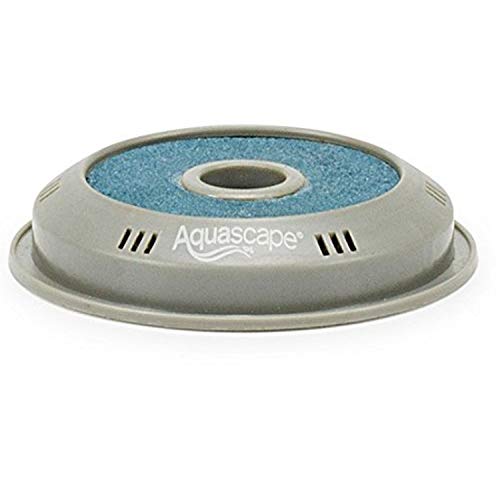
Replacement Aeration Disc is used in conjunction with an aerator or air pump to help provide proper aeration, improving water quality and fish health

Medium Bubbles: Produces abundant dense bubbles to aerate your water reservoirs. A great way to increase oxygen solubility in your aquarium and enliven the aquatic lives.

Durable Design: Constructed with high-quality mineral material and a sturdy plastic base, this ball shaped pond aerator diffuser is engineered to resist wear and tear, ensuring prolonged performance and reliability.
How to Keep Your Air Stone Bubbling With Simple Cleaning
Routine cleaning is the key to keeping your air stone bubbling consistently. The main cause of weak or uneven bubbles is clogged pores, which trapping debris and biofilm. To prevent this, rinse the air stone weekly with warm water to remove loose buildup. After every water change, inspect the stone for signs of deposits or clogging. For best results, pair your maintenance with a compatible pH meter probe to accurately monitor water quality. A similar approach of soaking in white vinegar**** can prevent mineral scale from blocking the stone’s pores.
For mineral scale buildup, submerge the stone in white vinegar for several hours—heavier deposits may require an overnight soak. After soaking, gently brush the pores with a soft toothbrush to clear any remaining residues. In cases of stubborn clogging, you can dip the air stone in a diluted bleach or hydrogen peroxide solution, but always rinse thoroughly afterward to remove any chemical residue and dechlorinate before reuse.
Before reusing, always rehydrate the stone and test its bubbling in a bucket. Cracks, persistent weak output, or failure to improve after cleaning are signs it’s time to replace the air stone. Regular maintenance like this ensures the pores stay open and the bubbles remain fine, keeping your aeration system functioning smoothly. A carbon filter soak in vinegar can follow a similar process to break down trapped impurities.
Fun Ways to Use Air Stones Beyond Basic Aeration
You can create a stunning bubble wall behind your aquascape by installing flexible air curtains. These curtains produce a continuous stream of bubbles that shimmer across the tank’s back, adding a dramatic visual element that instantly draws attention. To amplify this effect, combine the bubble wall with colored LED lights; the rising bubbles reflect the lights, turning your tank into a captivating light show. This setup is primarily decorative but can serve as a focal point in your aquarium.
Additionally, decorative air stone designs come in various shapes and colors, allowing you to match your aquarium’s décor perfectly. Beyond aesthetics, air stones help eliminate dead zones behind hardscape elements or beneath driftwood, where water flow is often stagnant. Their microbubbles improve circulation in these areas, ensuring nutrients are evenly distributed and preventing buildup. In hydroponic systems, the fine bubbles produced by air stones boost oxygen levels in reservoirs, promoting faster root growth. Using multiple stones in larger systems also helps prevent stagnant pockets, maintaining healthy conditions throughout.