Deciding between coco coir and peat moss can feel confusing, especially when you’re trying to choose what’s best for your plants and the environment.
The main difference boils down to sustainability and pH balance: coco coir is renewable and naturally neutral, while peat moss is non-renewable and acidic.
Whatever your gardening goals, understanding these options helps you make a more informed choice.
Where Coco Coir and Peat Moss Actually Come From
Coco coir and peat moss come from completely different sources. Coco coir is a by-product of coconut husks, making it a renewable resource derived from agricultural waste. It is produced through a low-impact process called retting, where husks are soaked in water to release fibers, which are then processed into coir. This method supports tropical agriculture and helps prevent soil contamination risks associated with mining. For those looking for high-quality garden tools, a similar level of thoughtful material selection can be found in Fiskars bypass pruning shears, which are praised for their durability and precision. Ensuring your water’s pH is accurate is equally important, which is why reliable pH meters for water are essential for testing soil amendments like coir. Additionally, for those seeking to optimize plant energy, focusing on macro vs micro nutrients can further enhance growth results.
Peat moss, on the other hand, is harvested directly from ancient wetland ecosystems known as peat bogs. These wetlands take centuries to form, and their extraction involves removing peat layers, which destroys the bog’s ability to regenerate. This practice can significantly disrupt carbon storage and ecosystem balance. Unlike coir, peat moss extraction is a destructive process that has long-term environmental consequences, highlighting the importance of choosing sustainable options.

🌱 Premium Super Washed Coco Coir – Triple-washed, low-EC, pH-balanced coco coir with reduced salts. Ready to hydrate and use for seed starting, container gardening, and soil amendment applications.
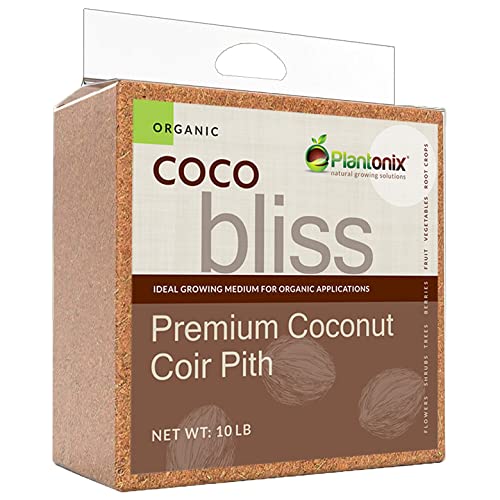
Pre-Rinsed & Pre-Screened Coco Coir - Every block of our coconut fiber substrate has been screened multiple times through an extremely small filter to get rid of any traces of fiber, sand, and rocks. This is what sets our coco coir apart, giving you pure and clean coco coir for plants, unlike others who don’t filter their coco coir for impurities.
![MODELLOR (10 lb) Premium Super Washed Coco Coir Brick, High Yield 18 to 20 gallons [72 to 80 quarts], Seed Starter, Organic, pH Balanced, Gardening, Indoor, Outdoor use](https://m.media-amazon.com/images/I/51YfT2RlVzL._SL500_.jpg)
✨ Ultra-Pure & Ready to Use – Triple-washed, low-salt, pH-balanced coco coir that’s clean and nutrient-friendly—no rinsing required, unlike many other brands.
pH: How Each Affects Your Plants (and Which Needs Adjusting)
Coco coir’s pH typically ranges from 5.5 to 6.8, which is within the ideal zone where most plants absorb nutrients effectively. This means you rarely need to make pH adjustments when using coco coir, simplifying your gardening routine. Buffered coir, in particular, is pre-treated to maintain stable pH levels, so you can test a batch to ensure it stays within this range without extra effort. As a result, your plants receive nutrients promptly, supporting healthy growth. For improving drainage in potted succulents, aerated soil amendments like perlite are often added, though perlite itself has a near-neutral pH and does not alter the coir’s favorable balance. Sterilizing perlite effectively before reuse can also help prevent pH-related issues by eliminating pathogens that might alter the root zone. Rice hulls are another common aerated soil amendment that, like perlite, does not significantly alter pH levels in the growing mix.
In contrast, peat moss has a strongly acidic pH, usually between 3.0 and 4.5. This acidity can limit the availability of nutrients for many vegetables and garden plants. To make peat moss suitable, you typically need to add lime and adjust the pH upward into a more neutral range. Only acid-loving plants like blueberries thrive in this environment without modifications. For most other plants, this means extra work. Coco coir offers a clear advantage here, providing a more neutral, plant-friendly environment with less fuss over pH adjustments.

A soilless grow medium made from 100% organic coco coir fiber to promote successful seed starting.

* MASSIVE EXPANSION RATIO: Highly compressed 5kg (11 lb) block expands to approximately 55 Liters of fresh, loose, ready-to-use coco coir substrate upon rapid hydration.

CERTIFIED COCO COIR: Made from 100% RHP-certified, peat-free coco coir for a clean and efficient growing medium that's free from additives and nutrients. Our high-grade coir is designed for a clone or seed to veg and flower in—1 gallon cube
Water Retention: Which Rewets Best After Drying?
Coco coir rewets more easily after drying than peat moss. Even when fully dry, coco coir quickly absorbs water within seconds, distributing it evenly throughout. This makes rehydrating it much less frustrating, especially if you miss a watering cycle. Its ability to rewet rapidly helps you maintain consistent moisture levels and simplifies nutrient delivery. For Monstera growers specifically, top perlite choices often include coco coir as a preferred base for its reliable rewetting. For those seeking durable plant markers to label your coco coir mixes, metal garden labels are a long-lasting option. This ease of rewetting is similar to the way brown seaweed extract improves water infiltration and distribution in growing media.
Peat moss, however, becomes hydrophobic once it dries out completely. Water tends to bead up and run off instead of soaking in, creating a slow and often frustrating rewetting process. While peat moss can hold more water when kept moist continuously, this advantage disappears once it dries out. For containers that dry between waterings, coco coir’s reliable rewetting properties make it the better choice.

Includes 10lb block of Back to the Roots compressed Coconut Coir that expands to 51qt of potting soil. A balanced pH, which means it’s truly all-purpose. Use alone or as an amendment for anything in a pot or in the ground — vegetables, flowers, herbs, and even starting seeds.
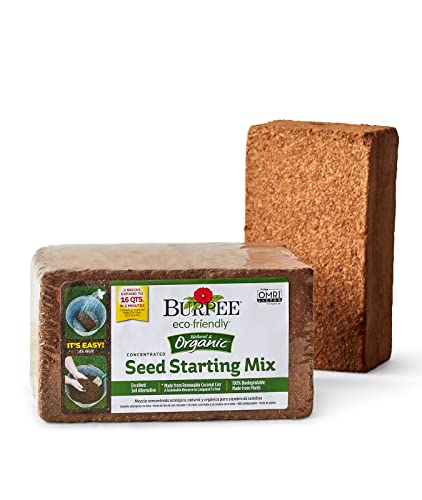
ORGANIC COCONUT COIR: Made from recycled coconut husks, coir is a light, sustainable growing medium that holds the perfect amount of moisture for starting seeds. 100% biodegradable soil alternative. Environmentally-friendly and a renewable alternative to peat moss. OMRI listed and certified organic.

【Coco Coir Brick】: Made of 100% natural organic coconut coir, which extracted from the husk on the outer shell of a coconut, low EC and suitable pH can provide a healthy growing environment for most flowers and plants, so it can cultivate flowers and economical plant products without soil, and can also cultivate seedlings
Aeration: Coco Coir vs. Peat Moss-Which Stays Fluffy?
Coco coir stays consistently fluffy longer than peat moss. Its fibrous structure resists compression and maintains stable air pockets, which promotes better root development. The air-filled porosity of coir remains high and steady over time, ensuring the root zone stays oxygenated and reducing the risk of compaction. In contrast, peat moss begins fluffy but tends to lose over half of its pore space within a few months. As it tightens, its air channels shrink, negatively affecting moisture retention and aeration. Additionally, coir’s sturdy construction prevents it from collapsing into a dense mass after multiple wet-dry cycles, unlike peat moss. This resilience is due to coir’s volcanic glass-like structure that resists breakdown. For an even more durable, reusable medium with excellent aeration, some growers prefer clay pebbles like Hydroton. To get consistent results when checking moisture levels, you must use proper meter preparation for accurate readings. Overall, coconuts coir provides better, longer-lasting aeration for healthy plant growth.

You will receive (1) 2-cubic foot bag per purchase.

Organic Coconut Chip: You will get 2 pcs coco chips bricks planting substrate, made from pure natural coco coir chips and coconut fiber, 100% natural and organic, degradable and sustainable, this is an alternative to conventional soil and provides the best substrate for all types of plant growth

Compressed Coco Chips for Plants: You will receive 6 compressed coco coir bricks, about 1.1 lb each. Made from 100% natural coconut coir chips and coconut fiber, this organic, degradable, and sustainable growing medium expands to about 7 quarts per brick after soaking. The mixed texture provides chunky pieces for structure and finer fibers for moisture retention. A practical alternative to traditional soil and bark.
Salt and Nutrient Risks in Coco Coir (What to Manage)
Salt and nutrient risks in coco coir require your careful management before planting. Unwashed coir often starts with a high electrical conductivity (EC), sometimes between 2 and 5 mS/cm, which can block nutrient uptake. Rinsing with low-EC water alone isn’t enough; buffering is essential. Soak the rinsed coir in a calcium-magnesium solution, aiming for a combined concentration of 150 to 200 ppm, and leave it immersed for 8 to 24 hours. This process displaces excess potassium and sodium, preventing calcium and magnesium lockout that can impair plant development.
To check if the coir is ready, measure the EC of the runoff water—aim for below 0.5 to 1.0 mS/cm, or close to your source water’s EC. Failing to buffer the coir can lead to salt buildup, nutrient antagonism, and poor iron absorption, which all hamper plant growth. During production, periodic flushing of the medium is advisable to control salt levels, though it adds to your workload. Buffered coir not only saves time in managing nutrient imbalances but also promotes healthier, more stable plant development.
Be cautious about pest risks if you leave standing water after rinsing. Moist, salty conditions attract pests like fungus gnats, so ensure proper drainage and drying. Regular measurement, buffering, and flushing keep your coco coir in optimal condition for healthy growth.
Sustainability: Coco Coir vs. Peat Moss
Coco coir offers a more sustainable alternative to peat moss because it is a renewable byproduct of coconut husks, whereas peat moss is a non-renewable resource taking centuries to regenerate. Harvesting peat moss releases stored carbon from ancient bogs and destroys vital habitats for specialized wildlife. In contrast, coir is sourced from agricultural waste, avoiding wetland destruction altogether. However, its environmental advantages are offset by the carbon footprint associated with long-distance shipping, as well as water and energy use during processing, washing, and buffering—sometimes leading to chemical waste. For healthy cucumber growth, coir lacks essential nutrients naturally present in enriched soil mixes, so growers must supplement it with balanced fertilizers. While coir may have a higher initial cost, its sustainability benefits often outweigh peat moss’s consistent texture and lower price. By repurposing agricultural residues, coir helps reduce the ecological damage caused by draining and harvesting peatlands. Ultimately, choosing coir means trading the significant ecological harm of peat extraction for the manageable environmental impacts of processing and transportation.
When to Choose Coco Coir: and When Peat Moss Still Wins
Choosing coco coir makes sense when pH stability is important. Its near-neutral range of pH 5.5 to 6.8 suits most vegetables, ornamentals, and houseplants without needing lime adjustment. Coco coir generally falls within a near-neutral pH range, making it reliable for consistent results. You’ll also notice its superior rewettability; unlike peat, coir doesn’t become hydrophobic when dry, ensuring consistent moisture uptake. For accurate readings, you should calibrate your hygrometer before testing any growing medium. For plant compatibility, coir is ideal with acid-sensitive crops, whereas peat still excels for blueberries or azaleas that prefer low pH. Regarding material durability, coir resists compaction longer and helps maintain aeration in containers. However, if your priority is maximum water storage, peat moss holds more—up to 20 times its weight—and buffers against short watering gaps. For those using enclosed setups, top grow boxes often recommend coir for its consistent performance. Its higher cation exchange capacity also means stronger nutrient buffering, making it more predictable for traditional mixes. So, choose coir for neutral pH and easy rewetting; pick peat if you need acidity, high water retention, and heavy buffering capacity.

【Superior Water Retention】Our Premium Coco Coir Brick for Plants is specially formulated to retain water, ensuring your plants stay hydrated for longer periods. This helps avoid overwatering and promotes healthy root development
![Premium Coco Coir by PlantoCare – Professional Grade Coconut Coir Growing Medium, pH Neutral & Low EC – Ideal for Seed Starters, Potting Mix, Hydroponics & Houseplants [5 Bricks of 650 Grams Each]](https://m.media-amazon.com/images/I/51rxF2LfE-L._SL500_.jpg)
Pre-Rinsed & Pre-Screened for Purity – Processed through multiple fine filters to remove fibers, sand, and debris, ensuring a clean, ready-to-use growing medium.
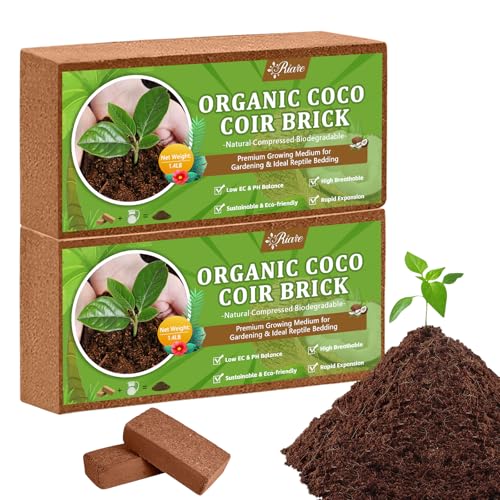
Package Included: You will receive 2 pcs organic coco coir soil packed in the form of a brick. Each brick is: 8 x 4 x 2 inches, weight 1.4 lb. Contains 100% organic coconut pith and fibers. No trashy material, rocks or chunks in the mix. One little brick goes a long way. Will expand beautifully and easy to use. Definetly a safe and organic solution to grow your plants
The Bottom Line: How to Pick What’s Right for You
Both coco coir and peat moss serve as structural bases for potting mixes, but neither is a complete solution on its own. If you want a sustainable option that is versatile across various containers, coco coir is generally the better choice. It’s renewable, holds moisture well, and improves aeration, making it suitable for most setups.
Peat moss, on the other hand, is favored mainly for acid-loving plants like blueberries and azaleas. However, because peat is non-renewable and its harvesting damages sensitive ecosystems, it’s less practical as a default medium. Your watering habits and pH preferences will ultimately guide your choice—coco coir works well with most plants and watering routines, while peat moss suits specific plants requiring acidic conditions.