If you’re wondering how to grow healthy plants indoors without dedicating an entire room, a grow tent might be just what you need. It’s a compact, controlled environment that makes managing light, temperature, and humidity much simpler.
Setting one up helps maximize your space and keeps pests and odors contained.
In this article, you’ll learn everything you need to know to get started with your own grow tent, from choosing the right size to setting up your environment effectively.
What Is a Grow Tent and What Does It Do?
A grow tent is a portable, enclosed structure designed to create a controlled microenvironment for your indoor plants. It features a sturdy metal frame wrapped in thick, reflective fabric—typically with a Mylar lining—to maximize the use of your lighting setup. The sealed interior allows you to manage key factors like light, temperature, humidity, and airflow consistently. Ventilation ports, fans, and ducting are installed to facilitate air exchange and maintain optimal conditions. Zippered doors provide easy access for watering and maintenance. The reflective interior bounces light back onto your plants, increasing light efficiency, while the enclosed design helps stabilize heat and humidity, shielding your plants from external fluctuations. Grow tents are available in various sizes, are reusable, and are ideal for growing herbs, vegetables, or flowers indoors. For those seeking the best setup, many top growers recommend reviewing specific product comparisons to find the right fit. When maintaining healthy plants, using the proper tools like pruning shears ensures your garden stays productive and tidy. Additionally, monitoring CO2 levels can significantly boost plant growth and yield.
Why a Grow Tent Beats Growing in an Open Room
A grow tent offers better environmental control than growing in an open room. Its sealed walls keep temperature, humidity, and airflow stable, reducing stresses caused by fluctuating conditions. This consistency helps your plants absorb nutrients more effectively and promotes healthy root development. Root stimulators can further support this process by delivering targeted compounds that encourage vigorous root growth and improve transplant success.
Additionally, grow tents maximize light efficiency. The reflective interior surface bounces light back onto your plants, making the most of your grow light setup and reducing energy waste. They also prevent outside light from entering, which is crucial for maintaining dark periods essential for flowering plants that are sensitive to light cycles.
Containment is another key advantage. A grow tent better isolates odors, pests, and disease vectors, keeping your grow discreet and reducing the risk of external contamination. Plus, because they are portable and easy to set up, grow tents allow you to create a controlled environment without needing to dedicate an entire room for cultivation.

Evenly Reflect, Grow More Consistently: This grow tent uses upgraded hexagon-pattern Mylar with up to 100% reflectivity, designed to diffuse light from multiple angles throughout the grow space; This helps reduce uneven growth caused by light hotspots, improving overall light efficiency; Simply zip it closed to create a fully sealed, light-proof environment.

Keeps All Light Inside: The Vivosun Hydroponic Mylar Grow Tent is made of high-quality 600D Oxford canvas that is lined with reinforced PE layer and 100%-reflective mylar walls, which can effectively block all light from leaking and boost the output efficiency of your setup; The zipper part has also upgraded with the black inner lining to prevent light into the tent; There is no need for additional flaps or tape, you can just zip up to create a lightproof seal environment; Package include: a 48"x24"x60"grow tent, hanging straps, a floor tray and instructions

High Quality: This grow tent measures 24”x18”x28” and is lined with a highly reflective waterproof polyester film and 600D double-stitched canvas. It is perfectly light-proof and tear-resistant, and has excellent durability, safety and stability. It can withstand long-term use to ensure proper temperature and make plant healthy growth.
Step-by-Step: How to Set Up Your First Grow Tent
Choose a stable location with ample space on all sides for access and airflow. Measure the floor area, ceiling height, and door clearance to ensure your grow tent will fit comfortably. Avoid spots near windows or appliances that could impact temperature, light, or safety. Planning your exhaust routing before assembly is crucial; it allows your ducting to exit cleanly and prevents the need to relocate or adjust components later, saving time and hassle. Assemble the tent within the placement room due to door size constraints. For trimming plants grown inside, consider using Fiskars bypass pruning shears for clean cuts and reliable performance. To reduce costs when supplementing soil nutrients, you can learn to build DIY humic acid at home. For a more permanent setup, you can instead construct a custom grow box using plywood and reflective materials for comparable internal conditions.

Energy-Efficient Ventilation: The inline duct fan combines the features of axial , delivering powerful airflow up to 190 CFM with a fan speed of 2300 RPM. It efficiently circulates air while maintaining low energy consumption, making it ideal for various ventilation needs.
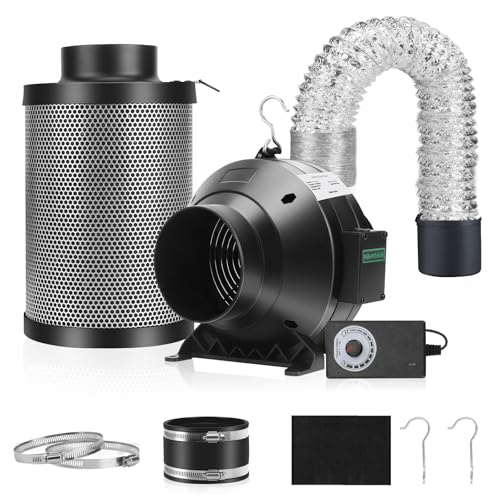
Excellent Odor Control: The air carbon filter is made of premium RC 412 Australian virgin charcoal with an IAV of 1200+, which has a higher absorption rate and practicality, effectively eliminating odors and chemicals in grow tents and hydroponic rooms, indoor grow tents, bathrooms, basements and kitchens.

Perfect Smart Combination: Includes AeroZesh G4 4” Inline Duct Fan, GrowHub E42A+ Controller, 4” Black Carbon Filter, and φ4” 8' Black Ducting; Ideal for moving and transporting air in various air circulation and ventilation projects; The GrowHub E42A+ controller allows for precise and easy control over the fan speed, airflow, and many other elements, stabilizing and optimizing your growth environment
What Essential Equipment Do You Need Inside a Grow Tent?
A grow tent requires several key pieces of equipment to create an optimal environment for your plants. First, a full-spectrum lighting system is essential; it provides the necessary light wavelengths that promote healthy growth from seedlings to flowering. Proper hanging equipment is needed to position the lights at the right height and keep them stable. A timer helps automate lighting cycles, mimicking natural day-night patterns and reducing manual adjustments. For accurate water testing, a best pH meter ensures balanced nutrient solutions are delivered to plants. For reliable lighting with an integrated stand, consider a model that offers adjustable height and coverage for consistent, even light distribution. For those cutting back plants in the tent, top pruning shears can help maintain branch structure and plant health.
Ventilation is critical to prevent heat buildup and humidity issues. An inline exhaust fan with ducting effectively draws stale air out of the tent and maintains airflow. Pair this fan with a carbon filter to remove odors and ensure fresh air exchange. For this purpose, a MARS HYDRO 6 Inch Carbon Filter uses 1050+ Virgin Australian activated charcoal for 100% filtered airflow. For air circulation within the tent, install oscillating clip fans. These help distribute air evenly, strengthen plant stems, and eliminate stagnant pockets of air.
Monitoring your environment is equally important. Mount a temperature and humidity gauge inside the tent. Adjust the relative humidity based on your plants’ growth stage: higher RH during seedlings and veg, lower during flowering to minimize mold risks. Additionally, gather basic tools, pots or grow bags, and surge protectors for safe operation and maintenance.
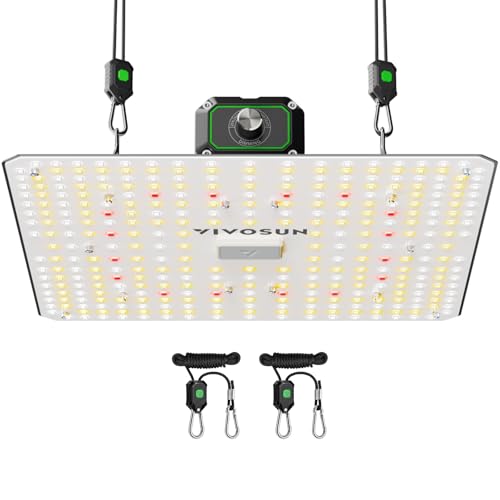
Optimized Full Spectrum: With white, blue, red and far-red LEDs (3000K, 5000K, 660nm and 730nm), this grow light provides full-spectrum illumination to support photosynthesis from seedling to harvest; It speeds up flowering time and increases yields

Improve Yields by 25%: These supplemental lights deliver light to mid and lower buds where your main grow light cannot reach; This promotes even growth, improves light penetration, and maximizes yield

POWERFUL LED : Our full-spectrum grow lights for indoor plants utilize 204 high-quality LEDs, including 3000K, 5000K, 660nm, and UV-IR LEDs. The 3000K and 5000K diodes emit extra red and blue light, while the 660nm and infrared light are especially beneficial during the blooming stage, accelerating flowering and boosting yields. The 395nm UV light contributes to the overall health of your plants. This 25W plant growth lamp is significantly more powerful than other small grow lights, yet it only consumes 25 watts of household electricity at 100% brightness, making it energy-efficient.
How to Pick the Right Grow Tent Size for Your Space
Your grow tent size should primarily be based on your available space, not just the number of plants. Measure the footprint of your designated area first, then select a tent slightly smaller than that space to allow for clearance. Aim to leave at least 30 centimeters on each accessible side for doors, cables, and maintenance access. Be sure to account for baseboards, sloped ceilings, and any frame overhang that could reduce usable space. Ceiling height is also important; you’ll need about 7 feet to give your plants enough room, hang lights properly, and accommodate overhead equipment. For similar temperature control needs, seedling heat mats can also help maintain consistent warmth for your grow tent setup.

9X THICKER THAN OTHER GROW TENTS - Goliath Grow Tents are made from 1680D material, which is 9x denser & thicker than the average grow tent. Keeping your garden more insulated & preventing any light leaks.


Extendable Poles for Flexible Setup: Includes four mounting bars that adjust from 24" to 36", allowing flexible installation to fit different tent widths and fine-tune ventilation layouts
How to Control Temperature, Humidity, and Airflow
To effectively control temperature, humidity, and airflow in your grow tent, focus on managing three key variables: the temperature drop from day to night, humidity levels aligned with each growth stage, and your air exchange rate. Maintain a 4–8°C decrease from lights-on (22–28°C) to lights-off (18–22°C). Keep seedlings at 65–75% relative humidity (RH), reduce to 50–70% during veg, then around 45–55% early in flowering, and down to 30–50% late in flowering to prevent mold. For airflow, exchange the air every 1 to 3 minutes using an exhaust fan positioned high and passive intake low. Incorporate oscillating fans to eliminate dead spots and promote even circulation. Consistent environmental monitoring is essential—check temperatures and RH at lights-on, midday, and lights-off to monitor humidity spikes at night and fine-tune your equipment accordingly. Using a seedling tray simplifies early-stage humidity management by keeping multiple peat pellets or starter cubes evenly moist under a dome. However, if starting seedlings in peat pellets, be aware that they can only remain in the pellet for a limited time before roots outgrow the medium, typically needing transplanting once roots penetrate the pellet surface. For trimming mature apple trees, using sharp bypass pruners ensures clean cuts that heal faster and reduce disease risk.

The humidity controller ranges from 5 to 99.99% RH

Superior Humidity Control: This advanced ultrasonic humidifier delivers whisper-quiet, precise humidification with 1% humidity resolution; A highly sensitive external temperature and humidity probe provides accurate environmental readings, enabling quick adjustments

High-precision Swiss-imported humidity sensor: Our humidity controller features a high accuracy sensor that can regulate and maintain humidity levels within a range of 5% to 99% RH. The digital signal chip used ensures accuracy to within ±3%RH
Where to Place Your Grow Tent for Best Results
Place your grow tent against an exterior wall to make exhaust ducting straightforward and minimize the length of duct runs. Choose a space that remains dark when the lights are off to prevent light leaks from disrupting your plants’ dark cycle. Be mindful of noise—fans and pumps can hum loudly—so avoid positioning the tent near bedrooms or quiet areas. Ensure the floor is level, easy to clean, and resistant to moisture, avoiding damp basements. Select an accessible, stable area with controlled conditions to promote consistent, healthy growth.
Beginner Mistakes That Ruin a Grow Tent Setup
Ensure your grow tent is appropriately sized for your needs. A tent that is too small will likely have to be replaced within a few months, limiting your growth options, while an overly large tent complicates climate control and increases energy costs. Typically, a 3×3 foot tent suffices for beginners growing a handful of plants, but larger setups—like 4×4 or 5×5 feet—are better suited for more ambitious projects. Think about your space, plant count, and future expansion when choosing size. Proper sizing helps maintain stable temperatures and humidity levels, makes ventilation easier, and prevents over- or under-utilizing equipment.
What Are the Core Components of a Grow Tent?
A grow tent needs five core components to function effectively: a sturdy frame with a reflective interior, a reliable grow light system, an exhaust and ventilation setup, internal circulation fans, and environmental monitoring gear. The steel frame and fabric enclosure form your sealed grow space, while the reflective lining maximizes light efficiency by bouncing it back onto your plants. Hang LED grow lights with timers to automate light cycles for each growth stage, ensuring consistent photoperiods. An exhaust fan combined with a carbon filter manages heat and eliminates odors, maintaining a stable environment. Clip fans inside the tent circulate air over the canopy to prevent hot spots and reduce pest risks. To further prevent contamination, any perlite used as a soil amendment should be sterilized using methods like boiling or oven baking to eliminate pathogens. Additionally, always source your vermiculite from reputable suppliers and verify it is asbestos-free, as untreated vermiculite can pose a health hazard if contaminated. For optimal drainage and aeration in your potting mix, select coarse-grade perlite to match the structural needs of your plants. Lastly, thermo-hygrometers or environmental controllers track temperature, humidity, and vapor pressure deficit, helping you fine-tune conditions and avoid common grow issues. Pairing these components with proper plant nutrition ensures a controlled, productive grow space.