If you’re wondering when to reach for bypass pruning shears, here’s the key: they deliver the cleanest, sharp cuts on live stems.
Their curved blades slide past each other like scissors, making precise cuts that help shape plants, remove dead growth, or harvest herbs without damaging delicate tissue. Keep in mind, they work best on branches under 5/8 inch thick and on green, fresh growth.
The rest of this article explains how to get the most out of them.
What Exactly Is a Bypass Pruning Shear?
A bypass pruning shear features two curved blades that slide past each other, resembling scissors. The upper, sharp blade cuts cleanly through live stems, while the lower, unsharpened jaw supports the branch safely. These shears are ideal for precise tasks like deadheading flowers or shaping shrubs. They deliver clean cuts that reduce damage to soft plant tissue, preventing crushing or tearing. Bypass shears are best suited for smaller, flexible branches rather than thick, woody growth. To ensure effective use, keep the blades sharp and properly aligned, and consider safety features like locking mechanisms and ergonomic grips to prevent accidents and reduce hand fatigue. For gardeners seeking a lightweight alternative to heavy soil mixes, coco coir provides excellent moisture retention and aeration for potted plants. For seedlings, a consistent environment with adequate moisture retention is also crucial for healthy growth. When choosing tools for delicate tasks, consider that top perlite options provide optimal drainage for succulent soil, just as bypass shears protect plant tissue. They typically come in various color options to match personal style, but safety and comfort should be your top priorities.
How Bypass Shears Cut Differently Than Anvil Pruners
Bypass shears cut differently than anvil pruners because they use two curved blades that slide past each other like scissors, providing a clean, slicing motion. In contrast, anvil pruners have a single sharp blade that presses down onto a flat surface, chopping through the stem. The bypass design creates less lateral compression and reduces crushing of tender tissue, making it ideal for green, living stems. The blades in bypass shears rely on high-quality materials to stay sharp and ensure precision cuts. Anvil pruners, on the other hand, tend to crush softer material against the flat plate, which can cause bruising. Both styles often feature ergonomic handles for comfort, but bypass shears excel at making clean cuts on delicate, fibrous stems, while anvil pruners are better suited for dead, dry material. Using organic growing materials in the soil can further support the health of plants pruned with bypass shears. Understanding how a pH meter works can help growers maintain optimal conditions for healthy plant growth. When choosing tools, consulting a buyer’s guide can help identify the best options for specific cutting tasks.
Why Clean Cuts Help Your Plants Heal Faster
Clean cuts help your plants heal faster by minimizing tissue damage. When you cut with a sharp, disinfected tool, your plant loses less of its living tissue, allowing it to seal wounds quickly. This quick sealing process is known as callus formation and is critical for effective wound healing. Faster wound closure also reduces the plant’s exposure to harmful pathogens, lowering the risk of disease. Ragged or torn cuts increase the chance of infection because they create larger entry points, while a clean cut preserves healthy cells that are essential for a strong response. Additionally, cleaner cuts help prevent dieback around the wound site, as there is less damaged tissue to repair. This means your plant can redirect energy from healing to new growth, resulting in a healthier, more vigorous recovery. Just as a precise pH meter ensures accurate water quality readings for optimal plant health, using disinfected, sharp bypass shears is essential because they provide the best environment for your plant to recover fully and reliably. Hanging shears properly after cleaning also prevents blade dulling and rust, keeping them ready for clean cuts.
Best Plant Material for Bypass Pruning Shears
Bypass pruning shears are ideal for cutting live, green stems and tender growth. They work best on flowering plants, roses, and herbs with non-woody stems. For woody branches, keep the diameter within your tool’s capacity, usually up to 5/8 inch. Using the right size helps prevent crushing and promotes healthy healing.
Focus on soft-stemmed perennials and small ornamental shrubs for precise, clean cuts. These delicate tissues benefit from a smooth cut that minimizes bruising. Bypass blades excel on stems that are flexible and green because they cut cleanly without damaging the plant tissue. For gardeners expanding into soilless growing, these same principles apply when maintaining herbs and greens in a compact hydroponic setup. Choosing the right plant stand with grow light can also help keep freshly trimmed plants healthy by providing consistent light for recovery. Controlling humidity levels is crucial in such environments, and a grow tent dehumidifier can help prevent mold on freshly pruned stems.
Always match the stem diameter to your pruners’ limits to ensure optimal performance. Cutting beyond your tool’s capacity can cause damaged blades and hinder healing, which is especially important for maintaining plant health. Prioritize live, pliable growth over dead wood, as bypass shears are most effective on fresh, green stems that bruise easily. This approach helps support plant vigor and minimizes stress from pruning.

Drop-forged construction delivers exceptional durability and sturdiness for long-term heavy garden use.

CLEAN CUTS FOR LIVE GROWTH: Bypass blade design is ideal for pruning delicate flower stems and green growth, helping reduce crushing and plant damage while cutting stems and small branches up to 5/8” in diameter

What Makes VT-C800 Unique? Ever-Sharp Teflon-Coated SK5 Blades | Jam-Proof Sealed Spring | Ambidextrous Thumb Lock | Backed by Lifetime Support
5 Common Garden Uses for Bypass Pruning Shears
Bypass pruning shears are versatile tools capable of handling a variety of everyday garden tasks. You can use them to deadhead faded flowers, which redirects the plant’s energy to produce more blooms and enhances your garden’s appearance. They are also effective for shaping shrubs and hedges; by trimming overgrown stems precisely without tearing tissue, you can maintain a tidy, well-defined landscape. For harvesting herbs and flowers, these shears provide clean cuts that help preserve the stems, leading to longer-lasting arrangements in vases or bouquets. Removing dead or damaged growth with bypass shears reduces the risk of disease spread, as infected stems are clipped out before they can infect healthy parts of the plant. For gardeners expanding into soilless gardening, bypass shears are useful for harvesting plants grown in a DIY hydroponic system. Taking accurate measurements of your nutrient solution’s strength with an EC meter ensures your hydroponic plants receive the correct feeding levels. Understanding the mechanism of these shears is key for indoor growers who need clean cuts to prevent plant stress. Lastly, they are useful for light seasonal cleanup—trimming back perennials and stray shoots keeps garden beds tidy and promotes healthy new growth.

LONG-LASTING SHARPNESS: Japanese SK5 bypass blade with titanium coating is tested through 5,000 cuts to maintain a sharp edge and deliver clean, consistent cuts on live stems and branches

AMBIDEXTROUS DESIGN: Pruner shape is designed for both right and left-handed use while pruning indoor & outdoor plants such as shrubs, ornamental trees, vines, & flowers like roses; SoftGrip handle reduces hand fatigue & enhances comfort and control

IDEAL BRANCH TRIMMER: 28" Steel blade garden bypass lopper that glides through up to 1.5" thick branches for easy cuts; Works well for trimming tree branches to maintain your yard and garden, and to encourage overall plant health and appearance
Know the Size and Hardness Limits of Bypass Shears
Most manual bypass shears can comfortably cut branches up to 3/4 inch, or about 20 to 26 millimeters in diameter. Going beyond this size forces the blades apart and puts stress on your hand, making the cut more difficult and potentially damaging the tool. Using a seedling tray with pots can help protect young plants as they grow before you need to prune them. For gardeners growing plants indoors, measuring light intensity with a quality meter is also key to ensuring healthy growth before pruning time.
Wood hardness is equally important. Soft, green wood allows for clean cuts with minimal effort, but dense, dry stems require more force and can dull blades faster. Manufacturers often rate their shears for a smaller diameter when dealing with hardwoods—about 20 millimeters—compared to up to 25 millimeters for softer woods. Attempting to cut thicker or tougher material can crush the tissue instead of slicing it cleanly, which can harm your plant and wear out your blades prematurely. For branches thicker than these limits, switching to loppers or a saw is usually the best choice. Some tools, like top pruning shears for bamboo, are specifically designed to handle tougher stems without damaging the blade.

Clean, Precise Bypass Cutting Action – Sharp bypass blade delivers smooth, scissor-style cuts that reduce plant damage and promote healthier regrowth on live stems and branches.

3/4” Cutting Capacity for Precision Pruning – Ideal for trimming flowers, shaping shrubs, and cutting live branches up to 3/4 inch thick, delivering clean, scissor-like cuts that support healthier plant growth.

Ideal for cutting stems and light branches, with a maxiumum cutting capacity of 3/4" diameter
When Should You Ditch Bypass Shears for Anvil Pruners?
You should switch from bypass shears to anvil pruners when pruning dead, dry wood or thick, hardened stems. Anvil pruners are better at crushing dead tissue that won’t heal, which means less hand effort and cleaner cuts. They also help protect your garden’s appearance by reducing the risk of damaging living growth, since their blades do not mangle healthy tissues. Anvil pruners give you better leverage on dense, woody material, making pruning safer and more efficient—particularly on finger-thick branches and tough wood. However, for overall long-term plant health, micronutrients are essential for supporting tissue repair and metabolic functions that cannot be replaced by raw cutting force alone. For hydroponic systems, the best clay pebbles provide excellent aeration and drainage for root support.
Use anvil pruners mainly for cleanup tasks such as removing dried stems, spent canes, or old debris after seasonal dieback. They excel at chopping deadwood rather than shaping living plants. For green, vibrant growth, bypass shears remain the preferred tool because they make cleaner cuts that heal faster. For seed starting, coco coir also serves as an excellent alternative to soil for bypass shears, as it provides a sterile and well-draining medium that supports healthy root development. Switching to anvil pruners in these situations ensures you’re pruning efficiently and safely when working with dead or hardened plant material.
How to Maintain Your Bypass Pruning Shears
To keep your bypass pruning shears in optimal condition, regular maintenance is essential. After each use, wipe the blades with a damp cloth to remove sap, dirt, and plant residue. For stubborn build-up, use warm soapy water, then thoroughly dry the blades and pivot area to prevent rust and ensure smooth operation. Sharpen the blades periodically with a sharpening stone, maintaining the original bevel angle to improve cutting efficiency and prolong the tool’s lifespan. Apply a light coat of lubricating oil to the blades and pivot point, then open and close the shears to evenly distribute the oil. Wipe away any excess oil to avoid attracting dirt or debris.
Regularly inspect the nuts, bolts, and locking mechanism for looseness or signs of wear. Tighten any loose hardware to maintain proper function. When storing, keep the shears in a dry area with the locking mechanism engaged to prevent rust and damage. Consistent care not only maintains the shears’ performance but also respects their ergonomic design, helping you rely on them season after season.

DUAL CUTTING POWER: VERSATILE PRUNING COMBO --- With both Pruning Shears and Pruning Snip, this combo delivers unmatched versatility. Whether you're delicately trimming flowers and shrubs, tackling thicker tree branches, or tending to your vegetable and fruit garden, our combo pack excels in all areas. They're also perfect for landscaping projects and maintaining the health and appearance of indoor plants. With this pack, you have a versatile tool that simplifies your gardening tasks.
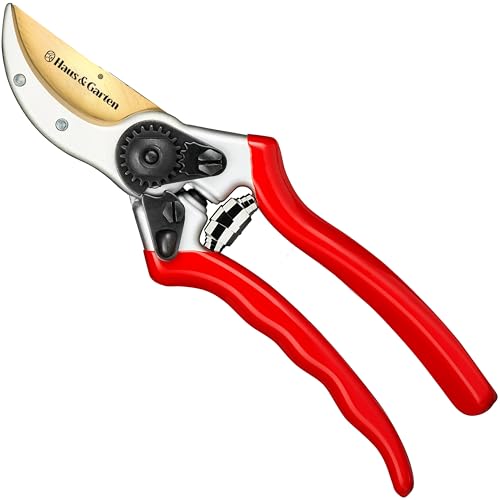
Sharp, Clean Cuts Every Time – Engineered from Japanese grade, high-carbon steel, ClassicPRO bypass pruning shears for gardening stay sharp and make precise cuts that encourage healthy growth and won’t damage your plants

· ULTRA-SHARP SK5 STAINLESS STEEL - Engineered with premium SK5 stainless steel, these heavy duty pruning shears deliver razor-sharp precision and maximum hardness. The rust-resistant blades are designed to stay sharp longer, effortlessly resisting corrosion and sap buildup for smooth, friction-free garden shears performance year after year.
Which Blade Materials and Ergonomics Matter Most?
Blade materials significantly influence cutting performance and durability. For the sharpest edges and longest edge retention, high-carbon steel such as SK5 is ideal because it can reach Rockwell C58-C62, allowing it to handle woody stems with ease. Stainless steel, with a hardness around C50-C55, dulls faster but offers excellent rust resistance and easier maintenance. Low-friction coatings like PTFE help sap slide off the blade, reducing buildup, but do not enhance hardness or edge longevity. Your choice depends on whether maximum sharpness or corrosion resistance is more critical for your tasks. The handles are made from aerospace-grade aluminum alloy, ensuring lightweight sturdiness and resistance to wear for long-term outdoor use.

[ HIGHLY VERSATILE ] - These professional heavy duty pruning shears equip you with all you need to cut through 1" thick stems with ease. Ideal for all-round pruning on plants, branches, hedges, flowers and more.

Precision Plant Care: These gardening shears are perfect for trimming herbs & flowers; Their compact, fine-tipped, rust-resistant high-carbon steel blades offer precise cutting in tight spaces; Ideal for daily use in gardens, pots & on delicate stems
