Are you wondering whether coco coir and coco peat are the same? If so, you’re close—they’re closely related but differ mainly in particle size.
Coir comes from the coarse fibers of a coconut husk, while coco peat is the fine, dust-like residue after processing.
Both are eco-friendly options for gardening that serve different needs.
Keep reading to see how each can help your plants thrive.
Coco Coir vs Coco Peat: The One-Sentence Difference
Coco coir and coco peat are distinguished primarily by texture: coco coir is the coarse, fibrous part of the coconut husk, while coco peat is the fine, dust-like pith remaining after the fibers are removed. This difference influences their performance—coco coir offers better aeration and drainage thanks to its stringy fibers that create air pockets for roots. Coco peat, on the other hand, retains more nutrients because its fine structure holds soluble minerals and plant food more effectively. Both come from coconuts, but your choice depends on whether you need a chunky, breathable medium or a dense, water-retentive soil substitute. Understanding this key difference helps you select the right material for your specific growing needs. For example, when pruning hydrangeas, using sharp, bypass pruners ensures clean cuts that prevent damage to stems, similar to how choosing the right coco material prevents root issues. While both are derived from the same agricultural waste, coco coir is sustainable and renewable, whereas peat moss is harvested from slow-forming bogs, making coir a more environmentally friendly option over time. For succulents that require sharp drainage, a coarse perlite grade mixed with coco coir helps prevent waterlogged roots while maintaining the airy structure the plants need.
Where Do Coco Coir and Coco Peat Actually Come From?
Coco coir is derived from the longer, coarse fibers found in the outer husk of the coconut. These fibers are extracted mechanically, usually through a process that involves soaking the husks, loosening the fibers, and then separating them. Coco peat, also known as coir pith or dust, consists of the fine, spongy residue remaining after the fibers are removed. It’s essentially the leftover material that fills the spaces between the coarser fibers. Both products come from the same coconut husk, but they are separated at different stages of processing. Most of the production occurs in Asia, particularly in countries like Sri Lanka and India, where coconut husks are transported from plantations into fiber-extraction facilities. For accurate testing of water quality in these growing mediums, growers often rely on Best pH Meters for Water to ensure optimal conditions.
How Texture Changes What Each Material Does in Your Soil
Using the right texture can significantly improve your soil’s performance. Coarse chips are ideal for aeration-heavy mixes and plants sensitive to root disturbance, as their larger size creates better airflow and prevents compaction. Fine peat works well for seed starting because its small particles retain moisture uniformly, helping seeds germinate evenly. In sandy soils, finer textures slow water loss by improving water retention, while in clay soils, coarse fibers help break up dense compaction, creating pore space for roots to grow. Before purchasing, always check for excess salt content in coco coir, as high salt levels can harm sensitive plants. For indoor setups, pairing these textures with full spectrum LED grow lights can further optimize seedling development and root health, and using a stand to position them correctly ensures even light distribution across your plants.
A balanced particle-size mix combines the benefits of both. It offers macropores that promote drainage, preventing waterlogging, and micropores that hold moisture for plants to access during dry spells. When choosing your soil texture, consider your plant’s irrigation needs and the risk of soil compaction. For areas prone to heavy watering or compaction, coarser materials might be beneficial. If your plants require consistent moisture or you are starting seeds, finer textures provide better water retention and seed-to-soil contact.
Which One Holds More Water: and Which Lets Air In?
Coco peat holds more water, while coarser coco coir lets air in better. Fine coco peat can retain about 8 to 10 times its dry weight in moisture, thanks to its tiny particles that trap water and boost nutrient retention. However, this density also reduces air space, making it less suitable if your plants need excellent oxygen flow. Coarse coir, with larger fibers and chunks, provides around 28 to 32 percent air-filled porosity, which improves aeration and drainage. Both materials require buffering to adjust their pH, but the grade determines whether the focus is on moisture or airflow. Fine peat is best for damp soil conditions, while chunkier coir is ideal when you want better drainage and oxygen access. Always consider the texture—your plant’s specific moisture or oxygen needs—when choosing between the two. To confirm the moisture difference, you can use a moisture meter to compare water content between the two textures.

Coco Chips for Plants: You will receive 8 pack coco coir brick made from 100% natural and organic coconut coir fibers; It is carefully screened, desalted, and rinsed with water to form a biodegradable plant growing medium; It can be directly used for indoor plants, orchids, seed starting, and garden mulching, creating a clean growing environment for plants; An alternative to traditional soil and bark

Coco Chips for Plants: You will receive 1 pack coco coir brick made from 100% natural and organic coconut coir fibers; It is carefully screened, desalted, and rinsed with water to form a biodegradable plant growing medium; It can be directly used for indoor plants, orchids, seed starting, and garden mulching, creating a clean growing environment for plants; An alternative to traditional soil and bark

Coco Chips for Plants: You will receive 2 pack coco coir brick made from 100% natural and organic coconut coir fibers; It is carefully screened, desalted, and rinsed with water to form a biodegradable plant growing medium; It can be directly used for indoor plants, orchids, seed starting, and garden mulching, creating a clean growing environment for plants; An alternative to traditional soil and bark
Best Uses for Coco Coir in Your Garden
Compressed coco coir discs are an excellent starting point for seed propagation. When you soak them in water, they expand into lightweight, sterile root zones that provide an ideal environment for seedlings. This setup helps reduce the risk of damping-off disease, especially important for vegetables and flowers started indoors or in greenhouses. The discs are easy to handle, no mixing required, and offer a clean, consistent medium for germination. Using these compressed formats minimizes mess and allows for efficient use of space in your seed-starting setup. Similar to the way LECA balls can be rinsed and reused after cleaning, these coco coir discs can also be rehydrated multiple times if kept sterile. To prepare the discs properly, you should soak them in water until fully expanded, ensuring the coco coir rehydrates completely for optimal seedling growth. For consistent results in your home garden, pairing coco coir with a top indoor hydroponic garden system can further enhance root health and growth rates.

60 MM Minute Soil Discs - Add just over 1 cup of water to each disc to re-hydrate - Expands up to 15 times - Yields approx 2.25 cup of soil per disc - Full bag rehydrates to Approx 5.5 quarts of soil

Package Includes: You will receive 55 pcs compressed coco coir pellets. Each measures 1.18 inches in diameter and 0.4 inches in thickness. Each pellet will expand into 0.079 qt coco soil ( adding about 0.04 qt water ), expanded fluffy soil is perfect for indoor plants like succulents, houseplants, flowers, herbs, and more

40 MM Minute Soil Discs - Bag of 30 - Add 1/3rd cup of water to each disc to re-hydrate - Expands up to 15 times - Yields approx 3/4th cup of soil per disc - Full bag rehydrates to Approx 5.5 quarts of soil
Best Uses for Coco Peat in Your Garden
Coco peat is an excellent choice for seed starting due to its fine texture, which ensures uniform germination and close seed-to-medium contact. Its ability to retain moisture helps prevent seed trays from drying out, providing a consistent environment for delicate seedlings to develop. When used in potting mixes, coco peat balances water retention and drainage, making it ideal for lightening dense blends used with houseplants or container vegetables. It also improves soil aeration when mixed into dense clay beds, encouraging healthier root growth. Using coco peat as a light mulch can suppress small weeds and maintain even soil moisture. For nutrient supplementation, blending coco peat with compost or fertilizers enhances the soil’s buffering capacity, promoting plant health. Additionally, coco peat helps reduce soil compaction, which can inhibit pest and disease development, thus aiding pest prevention by discouraging fungus gnats and other soil-borne pests.

Includes 10lb block of Back to the Roots compressed Coconut Coir that expands to 51qt of potting soil. A balanced pH, which means it’s truly all-purpose. Use alone or as an amendment for anything in a pot or in the ground — vegetables, flowers, herbs, and even starting seeds.
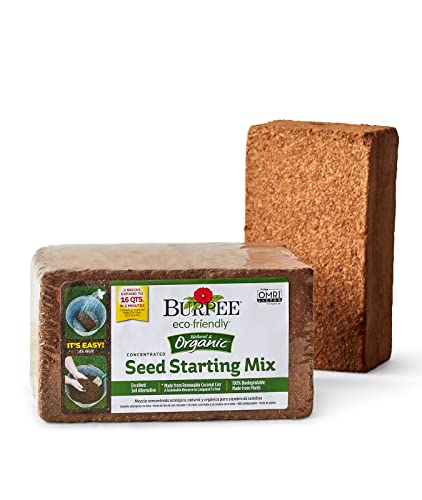
ORGANIC COCONUT COIR: Made from recycled coconut husks, coir is a light, sustainable growing medium that holds the perfect amount of moisture for starting seeds. 100% biodegradable soil alternative. Environmentally-friendly and a renewable alternative to peat moss. OMRI listed and certified organic.

Seed starter: Before absorbing water and swelling, the thickness of the peat soil pellet is only 12MM, easy to store and carry. The seedling block is wrapped with a degradable mesh non-woven material, which is convenient for transportation and transplanting. When the seedlings are transplanted, they can be directly planted into the soil to improve the efficiency and success rate of transplanting.
When You Can Swap Coco Coir and Coco Peat: and When You Can’t
You can safely swap coco coir and coco peat in general potting mixes when your main goal is moisture retention. Both serve as soilless bases for seed-starting or container blends that include perlite or compost. However, pay close attention to the pH preferences of your plants. If your mix relies on strong acidity for acid-loving plants, buffered coco coir will not match the low pH of peat moss. Trees obtain their nutrients primarily from decomposed organic matter and mineral particles in the soil, not from the coir or peat itself. For effective reuse of perlite in these mixes, sterilizing perlite prevents the spread of pathogens that could harm seedlings. If you are building a DIY monitoring setup, you can also apply similar sterilization techniques to sensor components to avoid contamination. You should avoid swapping them when specific texture is required. Coco coir’s coarse fibers offer better aeration, making it suitable for plants that need plenty of air around the roots. In contrast, fine coco peat pith holds more water, which can lead to overwatering if not managed carefully. Decomposition rate is another factor to consider. Coco coir resists breaking down longer, helping container structure stay intact over time. Peat and coco pith break down faster, which can lead to compaction and reduced porosity. Match the fraction of coir or peat to your specific needs for optimal growth and container longevity.

Coco Coir Growing Medium: This low EC, PH balanced biodegradable soil is made from crude fiber extracted from the husk on coconut husks, 100% organic, natural and sustainable, a traditional soil alternative, it can take your gardening and planting efforts to a new level; 10 Pack, each brick is: 8 x 4 x 2 inches, weight appr.1.4 lb
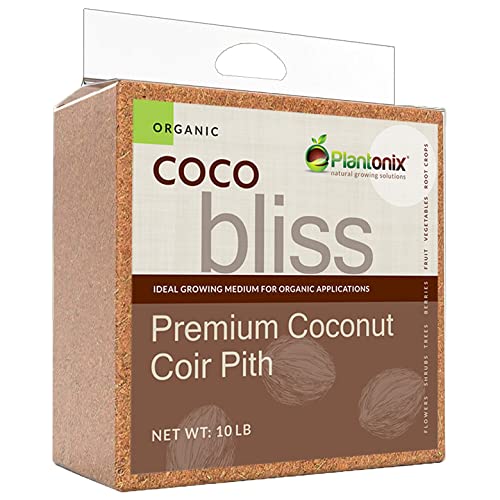
Pre-Rinsed & Pre-Screened Coco Coir - Every block of our coconut fiber substrate has been screened multiple times through an extremely small filter to get rid of any traces of fiber, sand, and rocks. This is what sets our coco coir apart, giving you pure and clean coco coir for plants, unlike others who don’t filter their coco coir for impurities.

【Coco Coir Brick】: Made of 100% natural organic coconut coir, which extracted from the husk on the outer shell of a coconut, low EC and suitable pH can provide a healthy growing environment for most flowers and plants, so it can cultivate flowers and economical plant products without soil, and can also cultivate seedlings
How to Pick the Right Coco Material for Your Growing Setup
For seed starting and propagation, choose fine coco peat, which particles typically measure less than 1 millimeter. This small size helps the medium stay evenly moist around delicate young roots, reducing the risk of drought stress or overwatering. Fine coco peat also provides a uniform surface that encourages even moisture distribution, essential for germination success.
For hydroponic drip or Dutch bucket systems, opt for chunkier, buffered coco coir with larger particles ranging from 2 to 6 millimeters. This coarser material improves aeration and drainage, preventing waterlogging that can lead to root rot in high-frequency irrigation setups. Adding buffers and aeration agents boosts the coir’s ability to handle frequent watering cycles without compacting or staying overly wet.
Finer coco peat works best in small pots or containers where infrequent watering is sufficient because it retains moisture well and supports delicate roots. Conversely, coarser blends are more suitable for high-frequency fertigation systems, as they allow excess water to drain quickly and oxygen to reach the roots efficiently.
Plant nutrition begins immediately in coco because it contains almost no nutrients naturally. You should fertilize from the first irrigation to supply essential nutrients. When managing pest risks, keep in mind that fine peat can stay too wet, increasing root problems. Amending with perlite or small chips helps improve drainage and aeration in such cases.
Ultimately, your irrigation schedule and crop sensitivity determine the ideal particle size. Finer materials favor delicate seedlings requiring steady moisture, while coarser blends support vigorous growth under frequent watering conditions. Using an accurate garden testing tool helps confirm moisture levels in the root zone to avoid over-saturation or dryness.
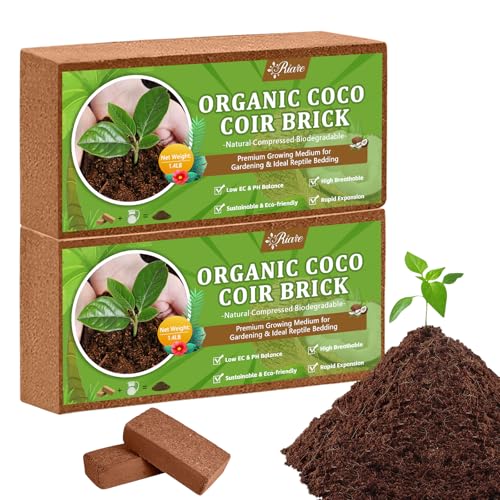
Package Included: You will receive 2 pcs organic coco coir soil packed in the form of a brick. Each brick is: 8 x 4 x 2 inches, weight 1.4 lb. Contains 100% organic coconut pith and fibers. No trashy material, rocks or chunks in the mix. One little brick goes a long way. Will expand beautifully and easy to use. Definetly a safe and organic solution to grow your plants

Includes Back to the Roots Compressed Seed Starting Potting Mix that expands to 12qt of soil. A balanced pH, which means it’s truly all-purpose. Use alone or as an amendment for anything in a pot or in the ground — vegetables, flowers, herbs, and even starting seeds.

100 EASY TO USE PEAT PELLETS: Contains 100 Jiffy 36mm soil pellets—ideal for germinating a wide range of vegetable, herb, and flower seeds indoors.
Why Both Beat Sphagnum Peat Moss for Your Garden
Coir generally outperforms sphagnum peat moss in practical gardening use. Unlike peat, which is acidic and requires regular liming, coir has a near-neutral pH of 5.5 to 6.8, making it suitable for a wider range of plants without additional amendments. Rewetting coir is simple— it absorbs water quickly and doesn’t turn water-repellent when dry, unlike peat that often repels water after drying out. Its structure allows nutrients to stay available longer because it doesn’t bind them away, leading to more efficient feeding. Improved aeration from coir reduces the risk of fungal gnats and root rot, indirectly enhancing pest resistance. Additionally, coir is made from coconut husks, a renewable byproduct, which makes it more sustainable than extracting peat from fragile bog environments. It also provides a versatile base for mixing with compost or perlite, making it ideal for container gardening, vegetable beds, and houseplants alike. Overall, coir offers you a more practical, eco-friendly, and reliable alternative to sphagnum peat moss.