If you’re wondering how to give your soil a natural boost, humic acid might be just what you need. It’s a natural compound formed as microbes break down ancient organic material, enriching soil and improving plant health.
By the end, you’ll understand how it can help your plants grow stronger and healthier, and the best times to apply it for maximum benefits.
What Is Humic Acid and How Does It Form in Soil?
Humic acid is a dark, complex organic compound that forms part of soil organic matter. It does not simply appear in soil but results from a process called humification, which involves microbial transformation. When plant and animal residues decompose, bacteria and fungi break them down over time. This process, which can take years, gradually converts these residues into stable, high-molecular-weight molecules. The end product is resistant to further decomposition and is a key component of humus, the organic material that enriches soil fertility. For gardeners looking to understand soil conditions, a DIY soil pH test kit can help determine the acidity needed for optimal humic acid formation. Indoor gardeners often rely on a lux meter to measure light intensity, which affects microbial activity in soil. Humic acid is not a single chemical but a mixture of biologically transformed compounds. Its defining feature is its solubility in alkaline solutions but not in acidic ones. This solubility profile helps distinguish humic acid from other organic soil components. For accurate measurement of soil and water acidity, using a best pH meter ensures reliable readings that support healthy humic acid activity. Overall, humic acid plays a fundamental role in promoting healthy, fertile soils by improving nutrient retention, water-holding capacity, and soil structure.
How Humic Acid Creates Soil Aggregates and Boosts Water-Holding Capacity
Humic acid significantly improves soil structure by creating larger, more stable aggregates and increasing water retention. It binds silt and clay into microaggregates and then assembles them into larger macroaggregates, forming a cohesive network. This process relies on humic acid acting as a key binding agent and forming hydrophobic coatings that prevent slaking when wet. As a result, the pore structure becomes more open and porous, with larger pores that reduce compaction. This enhanced pore space allows the soil to hold more water between rain events, often increasing available water capacity by 25 to 30 percent. You’ll notice better infiltration and water redistribution, helping your soil retain moisture more effectively. Keep in mind that results depend on soil type, but improvements in structure and water-holding capacity can occur quickly, even if full stabilization takes longer. For precision work like maintaining bonsai, having the right soil structure is as critical as using specialized pruning shears to ensure healthy plant development.

Feed the soil not the plants - stimulate microbial activity in your soil and boost probability of success with all types of plants… like composting but faster

Improves soil health, lawn health, plant health, and reduce the use of fertilizers

5% HUMIC ACID FROM LEONARDITE: Our liquid concentrate is sourced from real Leonardite ore and runs 5% humic acid, about 2X the concentration of the leading liquid humic acid brand (2% from lower grade brown coal). Blended with Fulvic Acid, Sea Kelp Extract, and Soluble Potash to support stronger roots, healthier soil biology, and better nutrient uptake for lawns, gardens, flowers, vegetables, shrubs, and trees.
How Humic Acid Boosts Nutrient Uptake at the Root Zone
Humic acid significantly enhances nutrient uptake at the root zone by modifying root cell membranes, which increases permeability and activates essential transport mechanisms. This results in a higher influx of ions such as Na⁺, K⁺, Ca²⁺, Fe³⁺, and Mn²⁺ from the rhizosphere into the plant’s internal tissues. The H⁺-ATPase pump works more efficiently, strengthening the electrochemical gradient that drives nutrient ion transport, especially for nitrate. It improves overall uptake efficiency rather than just increasing soil nutrient levels. Unlike a root stimulator that primarily focuses on promoting new root growth, humic acid also enhances the functionality of existing root systems for improved mineral absorption. For optimal results, it is often combined with a lightweight, porous medium like perlite to ensure proper aeration and drainage.
Additionally, humic acid promotes better interactions with soil microbes, altering metal binding at the root surface. This adjustment enhances the absorption of vital micronutrients like iron (Fe), zinc (Zn), and copper (Cu), while reducing the retention of certain metals that bind strongly to soil particles. As a result, ion exchange happens more rapidly, transporter activity is boosted, and nutrient use efficiency is markedly improved at the root zone.

【Viresta Soil Activator & Revitalizer】Boost soil vitality with our concentrated humic acid formul, helps improve the soil environment, acting as a powerful soil conditioner to promote vigorous root growth and nutrient uptake for all plants
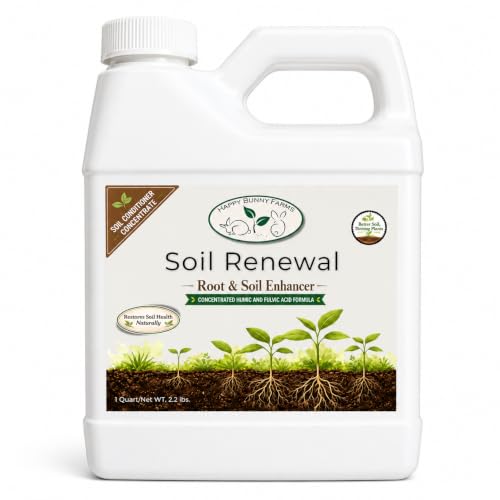
Restores Soil Health Naturally – Improves soil structure, aeration, and moisture retention

Feed the soil not the plants - stimulate microbial activity in your soil and boost probability of success with all types of plants… like composting but faster
How Humic Acid Stimulates Root Branching and Chlorophyll Production
Humic acid significantly boosts both root branching and chlorophyll production in plants. It stimulates chlorophyll synthesis by increasing nitrogen uptake in leaves, which directly elevates chlorophyll a levels and overall pigment content. As a result, SPAD readings—an indicator of leaf greenness—become higher, showing darker green foliage. Enhanced chlorophyll levels improve photosynthesis, leading to more efficient energy production within the plant. For example, the increased photosynthetic capacity from humic acid can be compared to how macronutrients boost performance by supporting overall plant energy systems. Properly maintained plants benefit from sharp pruning shears to manage the increased foliage and branching that humic acid encourages. This process is driven by the extraction of ancient organic matter from leonardite deposits, which provides a concentrated source of these bioactive compounds.
Simultaneously, humic acid encourages extensive root development. The increased root branching enhances nutrient and water absorption, supporting overall plant vigor. This coordinated growth means that as roots become more complex, the plant’s capacity for photosynthesis and metabolic activity also accelerates. You’ll notice a more robust, healthier plant with deeper green leaves and a more expansive root system, reflecting the combined benefits of humic acid on both above-ground and below-ground growth.
When to Apply Humic Acid for Best Results
Apply humic acid at key growth stages for the best results. Begin 7 to 10 days before sowing by mixing powder or granular forms into the root zone to improve soil structure and moisture retention. During early plant development, use liquid humic acid as a soil drench or foliar spray to enhance nutrient uptake and strengthen plants. For growers seeking to measure light quality for plant growth, a PAR meter can help ensure optimal photosynthetic conditions. Reapply every 15 to 30 days in spring and early summer, when soil biological activity is high due to warm temperatures. For crops in the flowering or fruiting stage, schedule a supplementary application to assist nutrient movement and reduce stress caused by heat or drought. After harvest, add organic amendments like humic acid to rebuild soil microbial activity for the next crop cycle. For growers using soilless systems, humic acid can also be integrated into hydroponic strawberry systems to optimize nutrient delivery and root health. Unlike zeolite, humic acid does not provide cation exchange capacity for mineral nutrient retention in soilless media. Do not apply during winter dormancy unless preparing the soil for planting.

Organic Soil Conditioner: Neptune’s Harvest Liquid Humate 12% Concentrate is an organic soil conditioner made from the richest deposits of ancient peat moss; this concentrated liquid is derived from humic acid, which improves soil structure and enhances nutrient uptake; by releasing essential plant nutrients locked in the soil, this humic acid for plants also provides moisture retention and boosts soil biological activity, ensuring your plants thrive naturally and is safe for kids and pets

Humic Fulvic Acid Blend: Concentrated Liquid Organic Carbon Derived from the Highest Quality Humate Source. 1 Gallon, 128 Ounce Bottle.

IMPROVES SOIL STRUCTURE & NUTRIENT AVAILABILITY- GS Plant Foods Humic Acid Soil Amendment supports healthy soil by enhancing cation exchange capacity and helping the root zone access existing nutrients in the soil more efficiently. Derived from high-quality Leonardite.