Figuring out the right nutrients for your tomato plants can feel tricky, especially as they grow and change. The key is adjusting what you feed them at different stages to encourage healthy leaves, stems, and plentiful fruit.
Getting these nutrient ratios right can make a big difference in how your tomatoes turn out. Keep reading to find out exactly what your plants need at each step.
Why Tomatoes Need a Different Nutrient Mix Than Other Crops
Tomatoes require a tailored nutrient mix that changes across growth stages. During early establishment and vegetative growth, you should focus on moderate nitrogen levels to promote healthy foliage without encouraging excessive leaf development at the expense of fruiting. As flowering begins and fruits set, potassium demand increases sharply because it directly influences fruit size, color, and firmness. Calcium remains critical throughout all stages but especially during fruit development to strengthen cell walls and prevent disorders like cracking. Maintaining soil pH around 6.0 is essential; at this slightly acidic level, nutrients such as phosphorus and calcium remain available, while micronutrients like iron and zinc are not locked out. If the pH drifts lower or higher, nutrient uptake becomes imbalanced, which can hinder plant health and fruit quality. Because nutrient needs vary so much between stages, you must continuously adjust your fertilizer program based on soil tests and plant development, rather than relying on a single, static formula. Using a dedicated root stimulator for trees can also help improve early root establishment in tomatoes, mimicking the same beneficial hormone and microbial support found in top tree products. Regularly checking your water source with a reliable pH meter ensures that the irrigation you apply does not silently shift your root zone away from that optimal 6.0 target. To further optimize light conditions for photosynthesis, a PAR meter can help you measure whether your plants are receiving sufficient light intensity for balanced nutrient uptake during each growth stage.
What Tomato Fertilizer to Use at Planting and During Vegetative Growth
At planting, use a starter fertilizer high in phosphorus, such as 10-52-8 or bone meal, to promote strong root development. Avoid high-nitrogen blends since they encourage excessive top growth at the expense of roots. Apply the fertilizer directly into the planting hole and mix it thoroughly with the native soil. Ensuring your soil pH is maintained between 6.0 and 6.8 improves phosphorus and calcium availability, supporting healthy plant growth during this initial stage. For a soilless system, you can adapt this approach by using a hydroponic tower to deliver nutrients directly to the roots. When reusing perlite in a soilless system, it is important to follow sterilization techniques to prevent the carryover of pathogens or residual nutrients. To ensure accurate pH readings in your system, use a reliable pH meter probe for consistent monitoring. During vegetative growth, switch to a balanced fertilizer like 10-10-10 or an organic alternative such as fish emulsion. Feed your tomatoes every two to four weeks by applying the fertilizer along the drip line and watering it in deeply to reach the root zone. If your leaves appear pale, increase nutrient supply with a balanced liquid feed. Conversely, if the foliage becomes darker than healthy, reduce nitrogen to prevent excessive leafy growth. Always follow the label instructions to avoid over-fertilization.


Made for Phosphorus Support – Formulated to supply phosphorus for plant growth and development.

HIGH PHOSPHORUS FERTILIZER: Unlike other phosphorus fertilizers, our triple super phosphate has a 0-46-0 ratio of phosphorus for plants, helping plants fight phosphorus deficiency & grow healthier.
The Best Tomato Fertilizer Ratio for Flowering and Fruiting
Once flowers start to appear, switch your fertilizer to a ratio of around 5-10-10. This provides lower nitrogen and higher levels of phosphorus and potassium, which support blooming and early fruit development. Using fertilizers like 4-6-8 or 3-4-6 blends is also effective. Keep soil pH between 6.0 and 6.8 to ensure these nutrients stay available to your plants. Excess nitrogen at this stage can delay fruiting, so avoid high-nitrogen formulas. Phosphorus promotes flower formation, while potassium helps strengthen developing fruit. As your tomatoes set fruit, consider shifting to even higher potassium ratios like 5-15-30 to enhance fruit quality. The phosphorus and potassium are two of the essential nutrients plants need for healthy growth during flowering and fruiting. Choosing a fertilizer with a higher middle number during this stage encourages flowering, while reducing nitrogen prevents excessive leafy growth. These nutrients are among the top micro nutrients that support overall plant health and productivity. Just as precise bonsai tools are essential for targeted cuts without damaging delicate branches, maintaining proper nutrient balances requires careful, measured applications to avoid overfeeding.

Balanced 5-10-10 Fertilizer Formula – 5-10-10 fertilizer delivers essential nutrients with higher phosphorus and potassium to support plant development.

Balanced 5-10-10 Fertilizer Formula – 5-10-10 fertilizer delivers essential nutrients with higher phosphorus and potassium to support plant development.

PREMIUM QUALITY INGREDIENTS – Cz Garden 5-10-10 is all-purpose fertilizer for all indoor/outdoor flowers, lawn, and garden vegetables.
How Often Should You Fertilize for Steady Production?
Fertilize every 3 to 4 weeks for in-ground plants and every 7 to 10 days for container plants to maintain steady production. As fruiting begins, increase the frequency to weekly or biweekly feeds, but always monitor plant response and adjust accordingly. Heavy fruiting phases benefit from light, consistent feedings rather than large doses to prevent stress and promote even ripening. Regular soil testing helps you tailor your schedule, ensuring plants receive the right nutrients at the right times. Incorporate pest control into your routine to reduce stress that can hinder nutrient uptake. For container-grown tomatoes, using a well-draining soil mix with lightweight perlite can improve aeration and root health, which supports efficient fertilizer absorption. Taper off fertilizing late in the season to allow plants to focus on ripening existing fruit instead of producing new growth. Just as with moisture management, using a reliable tool to check soil moisture levels can prevent overwatering or drought stress, which directly impacts how well your tomato plants absorb fertilizer. Unlike rigid systems that require permanent installation, flexible ducting offers a more adaptable approach for delivering air, yet its shorter lifespan often means more frequent replacement compared to durable metal alternatives.

ALL-NATURAL MIX: Burpee Organic Premium Potting Mix is formulated with plant food & coconut coir to promote seed & root growth and healthy flower, vegetable & herb plants. OMRI Listed for organic use.

Contains natural ingredients to feed microbes in the soil
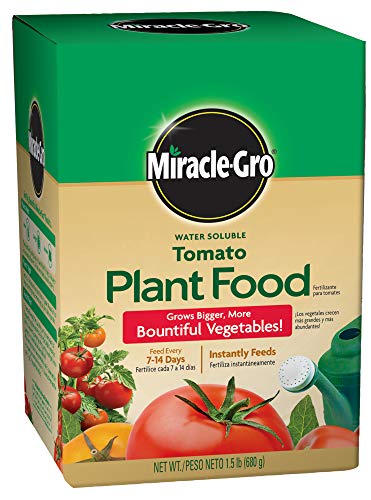
Instantly feeds to grow bigger, more bountiful vegetables versus. unfed plants
5 Signs You’re Overfeeding Nitrogen (or Underfeeding Potassium)
Dark, oversized foliage that outpaces fruiting indicates you are overfeeding nitrogen. This excess causes lush, deep-green leaves but reduces energy for fruit development. You may also see stunted, distorted growth, as the plant diverts resources away from roots and flowers. Watch for leaf tips and edges turning brown or scorched, which signals a potassium deficiency. Older leaves tend to yellow, bronze, or show interveinal discoloration, often beginning at the bottom of the plant. A potassium shortage leads to poor flowering, weak fruiting, uneven ripening, and smaller fruits. Overfeeding nitrogen can deplete potassium levels, impairing your harvest. To restore balance, reduce nitrogen inputs and increase potassium supply. Proper nutrient management makes plants more resilient, improves fruit quality, and supports healthy development. For optimal results, consider using full spectrum LED lights to support balanced growth and strong fruit set. For lettuce, excess nitrogen can similarly cause lush, deep-green leaves that delay head formation and reduce overall quality. Additionally, ensuring proper aeration in the root zone helps prevent nutrient lockout and promotes consistent uptake.

PREMIUM QUALITY INGREDIENTS – Cz Garden Muriate of Potash is a water soluble, high purity, premium phosphate fertilizer for all indoor/outdoor flowers, lawn, and garden vegetables.

Made for Potassium Support – Formulated to supply potassium for essential plant nutrition.

Produce abundant and vibrant fruit and blooms! This product works by strengthening your plant's roots to increase nutrient uptake… enabling it to bloom and produce like you've never seen!
The Big Three: Nitrogen, Phosphorus, and Potassium for Tomatoes
To effectively feed tomatoes, focus on three key nutrients: nitrogen, phosphorus, and potassium. Nitrogen promotes early leaf and stem growth, so starting with a balanced fertilizer like 10-10-10 helps establish the plant. Once flowering begins, reduce nitrogen levels to encourage fruit production rather than excessive foliage. Phosphorus strengthens roots and supports flowering; a mix like 5-10-10 supplies sufficient support without overfeeding. Potassium enhances fruit quality, firmness, and tolerance to stress. After initial bloom, switch to a low-nitrogen, high-potassium formula such as 3-8-12 to boost fruit development. Soil pH is also important; tomatoes prefer a pH between 6.0 and 6.8 for optimal nutrient absorption. Organic options include bone meal for phosphorus and kelp meal for potassium. These releases nutrients gradually, promoting healthy growth without the risk of over-fertilization. For extra support during early growth, consider using a plant stand with integrated grow lights to ensure consistent, strong light exposure for indoor seedlings. Using a garden label for each tomato variety helps track nutrient schedules and planting dates. When mixing perlite into your potting soil, avoid using fine dust particles, as they can compact and reduce aeration around the roots, hindering nutrient uptake.
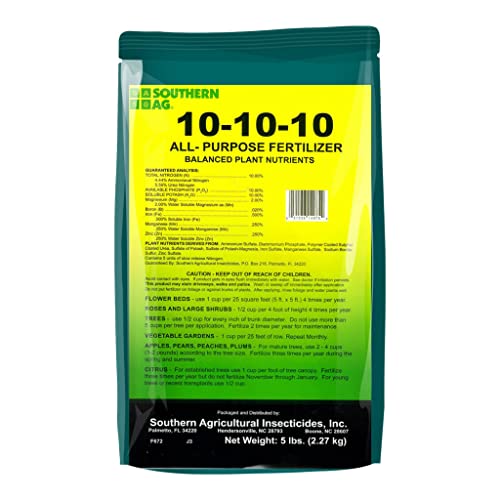

COMPREHENSIVE PLANT NUTRITION: The 10-10-10 in our liquid plant fertilizer signifies a balanced blend of Nitrogen (N), Phosphorus (P), and Potassium (K), each contributing 10% to the total composition. Nitrogen is essential for promoting lush, vibrant foliage and overall growth, while Phosphorus is integral to root development and crucial for blooming and fruiting. Potassium is responsible for overall plant health
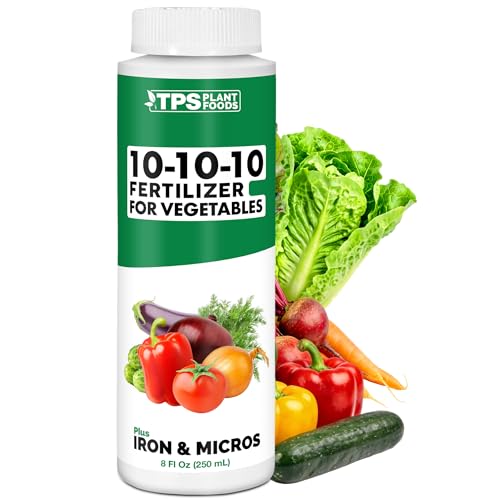
Supports Roots, Foliage & Yield – Helps encourage strong roots, healthy leaves, and productive harvests.
Don’t Forget Calcium, Magnesium, and Sulfur (They Matter More Than You Think)
Calcium, magnesium, and sulfur are all vital nutrients for your tomatoes, and their importance shouldn’t be underestimated. Calcium is especially critical because it strengthens cell walls and prevents blossom end rot, which is a common issue in tomatoes. Since calcium is immobile within the plant, irregular watering can hinder its movement, even if your soil has enough calcium. To ensure proper uptake, keep your soil pH around 6.5 and water consistently, avoiding fluctuations that can block calcium absorption. In hydroponic systems, using high-quality rockwool cubes can help maintain consistent moisture levels for better calcium uptake. Providing adequate light intensity for fiddle leaf fig plants can similarly prevent stress that affects nutrient absorption.
Magnesium is equally essential because it forms the core of chlorophyll, the molecule responsible for capturing light energy during photosynthesis. A deficiency often appears as yellowing between the green veins in older leaves, which indicates magnesium is being mobilized to newer growth. Since magnesium is mobile, the plant will prioritize replacing older leaves first when lacking this nutrient.
Sulfur supports the formation of proteins and enzymes necessary for healthy growth. Early signs of sulfur deficiency include pale, stunted new growth. To supplement sulfur, use sulfate-based fertilizers. Be mindful of your potassium levels as well, since excessive potassium can interfere with magnesium uptake. Balancing calcium, magnesium, and sulfur ensures your tomatoes develop strong health and high yields.
Tiny Nutrients That Can Wreck Your Yield (Boron, Zinc, and Iron)
Boron deficiency can have a significant impact on your crops, particularly affecting the growing points first. When boron levels are too low, you’ll notice crooked new growth, and flowers may fail to set properly. This results in poor fruit development, with symptoms like ridged, cracked, or corky tomatoes appearing. It’s crucial to test your soil before adding boron, as excess application can cause toxicity, which is equally harmful. Maintaining the right balance ensures healthy flowering and fruiting, preventing both deficiency and excess from undermining your harvest.